New
CODE:

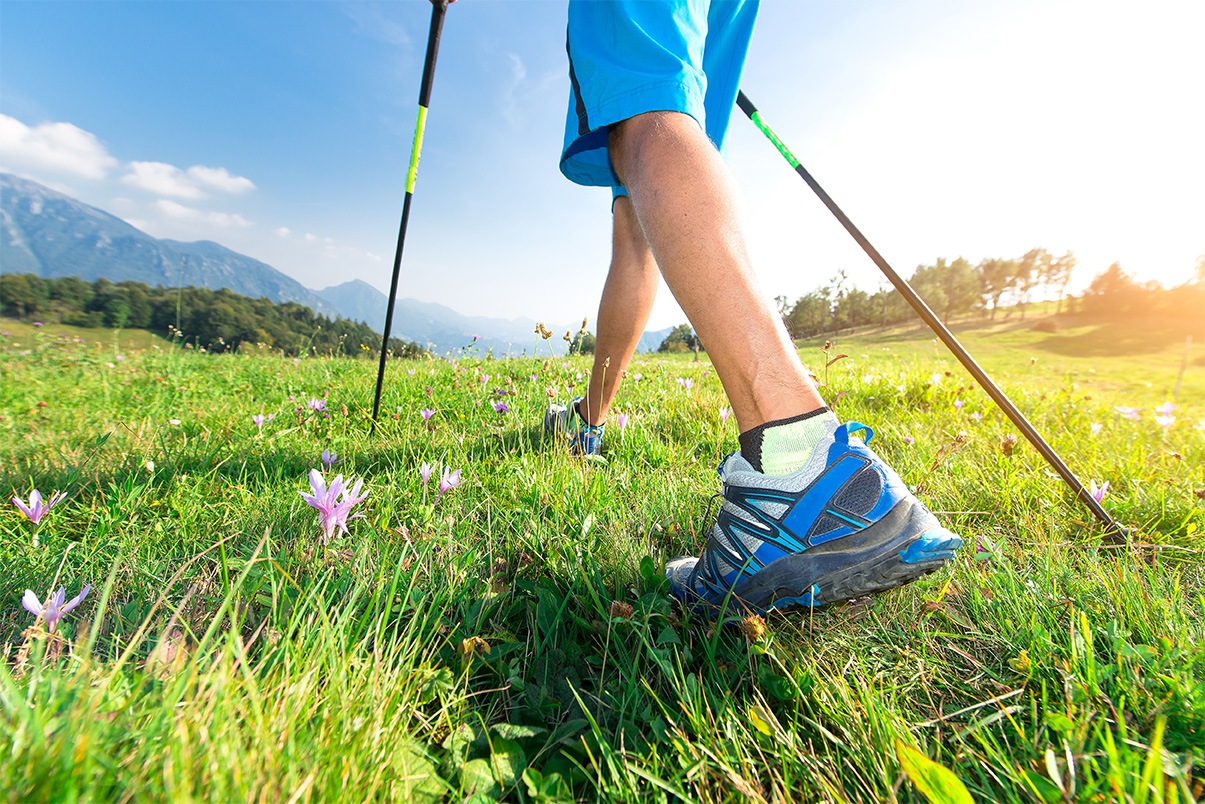
Nordic Walking is an accessible, fun and healthy physical activity.
Originating in Finland, Nordic Walking is characterized by the use of poles specific which help walkers to engage their whole body during the effort.
Whether you’re an experienced hiker or a complete beginner, Lepape gives you all the information you need to get off to a good start.
Here you’ll find practical tips, common mistakes to avoid and a few technical gestures to improve your experience.
Nordic walking combines brisk walking with the use of specially designed poles.
These poles propel the body forward, engaging not only the legs but also the upper body, including arms, shoulders and trunk.
Born in Finland in the 1960s, Nordic walking was initially used as a training method for cross-country skiers during the summer season.
The concept quickly spread beyond Finland’s borders thanks to its many health benefits.
This sporting activity works around 90% of the body’s muscles.
It’s a great way to improve endurance, muscular strength, posture and even coordination.
What’s more, it burns more calories than a simple hike or brisk walk. Walking with poles has many advantages.
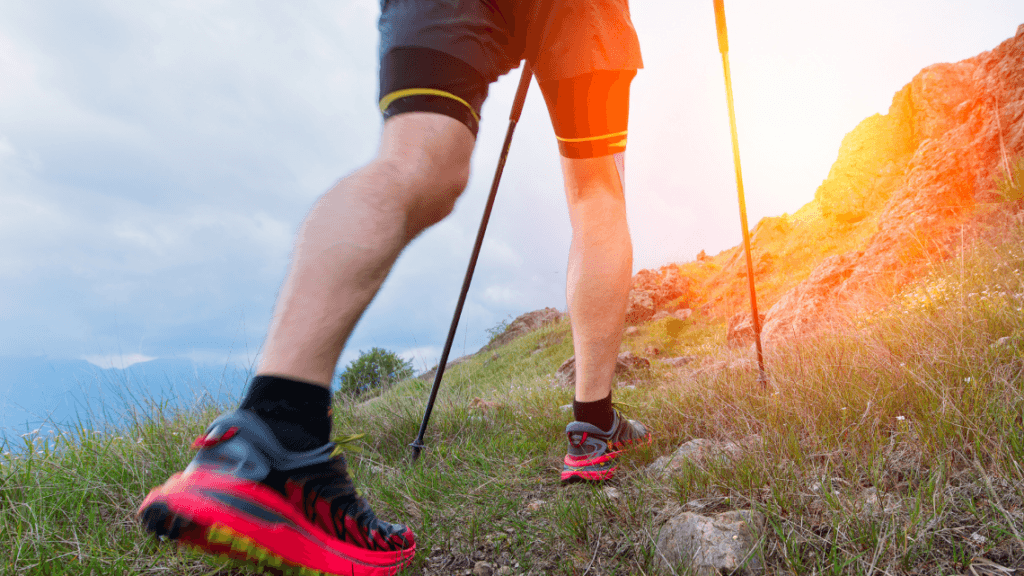
Choosing the right equipment is crucial to getting the most out of your practice in complete safety.
There are two main types of pole: telescopic and fixed.
The former are adjustable in length and versatile, while the latter offer greater rigidity and durability for regular use.
To determine your ideal pole size, multiply your height (in cm) by 0.68.
For example, if you’re 170 cm tall, choose 115 cm poles.
The wrong choice could cause pain or limit your walking efficiency.
Adopting the right gestures from the outset is essential to get the most out of Nordic walking.
The first thing to master is the “planting” of the sticks.
This act must be synchronized with your foot movements.
Planting the stick when the opposite foot touches the ground will create extra propulsion and improve your rhythm.
Correct technique involves fluid coordination between arms and legs.
When you take a step with your left foot, your right arm should move forward and vice versa.
Keep your elbows slightly bent for a natural movement.
Don’t forget to engage your hips in the movement.
This helps to maintain an upright posture and spread the effort over the whole body.
Try to rotate your hips slightly with each step, which also increases your range of motion.
Like any new activity, Nordic walking can be fraught with pitfalls for beginners.
Here are the most common mistakes and how to avoid them.
If you don’t coordinate your arms and legs properly, you risk creating unnecessary friction and tiring yourself out quickly.
Concentrate on symmetrical coordination.
Using the poles only for support instead of for propulsion considerably reduces the benefits of Nordic walking.
Learn how to beat your poles to optimize your efforts.
Poor posture can not only impair your walking efficiency, but also cause pain and injury.
Keep your back straight, shoulders relaxed, and look ahead rather than down.
Preparing your body properly before a session can make all the difference.
Take a few minutes to warm up before starting your session.
Opt for simple exercises such as shoulder rotations, knee bends and arm swings.
After the walk, don’t hesitate to do a few stretches to relax the muscles involved.
Have a good hydration before, during and after exercise is crucial to avoid dehydration.
Carry a small bottle of water and try to drink regularly.
In terms of nutrition, opt for a light, carbohydrate-rich snack for energy without weighing down your stomach.
Read our page on nutrition for hiking.
Choosing the right courses can greatly influence your enthusiasm and progress.
Start by exploring hiking trails close to home.
Look for varied terrain that includes gentle climbs and descents to diversify your physical effort.
National parks and nature reserves generally offer beautiful, tranquil landscapes, perfect for Nordic walking and enjoying nature at the same time.
Always check local regulations to find out if poles are permitted.
Making Nordic walking a regular habit can bring many long-term benefits.
Set realistic, achievable goals, such as how long you’d like to walk or how far you’d like to go each week.
Keep track of your progress to stay motivated and assess your improvement.
Walking in a group or with a partner not only makes the activity more enjoyable, but also offers moral support.
Join a Nordic walking club or invite your friends to participate.
Alternate between different types of terrain and landscapes to keep you motivated and discover new places.
Each type of terrain will challenge your skills and endurance in a unique way.
After your Nordic walking session, nourish your body with proteins and complex carbohydrates to help muscle recovery.
Adding fresh fruit, nuts or a protein shake could be a good idea.
There are also post-exercise drinks that are highly effective for recovery.
HIKING TIPS TO READ IN OUR TIPS PAGES








Or
Or
Your data is processed and collected by Lepape, which acts as the data controller, in accordance with the French Data Protection Act and the RGPD. For more information on the processing of your personal data, you can consult our Privacy policy.