New
CODE:

Pour mieux gérer l'altitude en randonnée.
Hiking is the most popular sport in France, with over 18 million people practising it (source: FFR). This growing popularity can be explained, in part, by the many health benefits (see
The different types of hiking
).
Hiking at altitude and high altitudes requires special attention. Preparation and precautions are essential when hiking. Lepape explains and advises.
High-altitude hiking takes place at altitudes above 2,400 m, where the air is rarer and your body has to adapt to special conditions. At this height, the effort is more intense and each step is felt more keenly. However, the landscapes you’re about to discover make up for this difficulty. As you climb the peaks, you’re immersed in nature, with spectacular panoramas and unrivalled tranquillity. A certain amount of preparation and stamina is required.
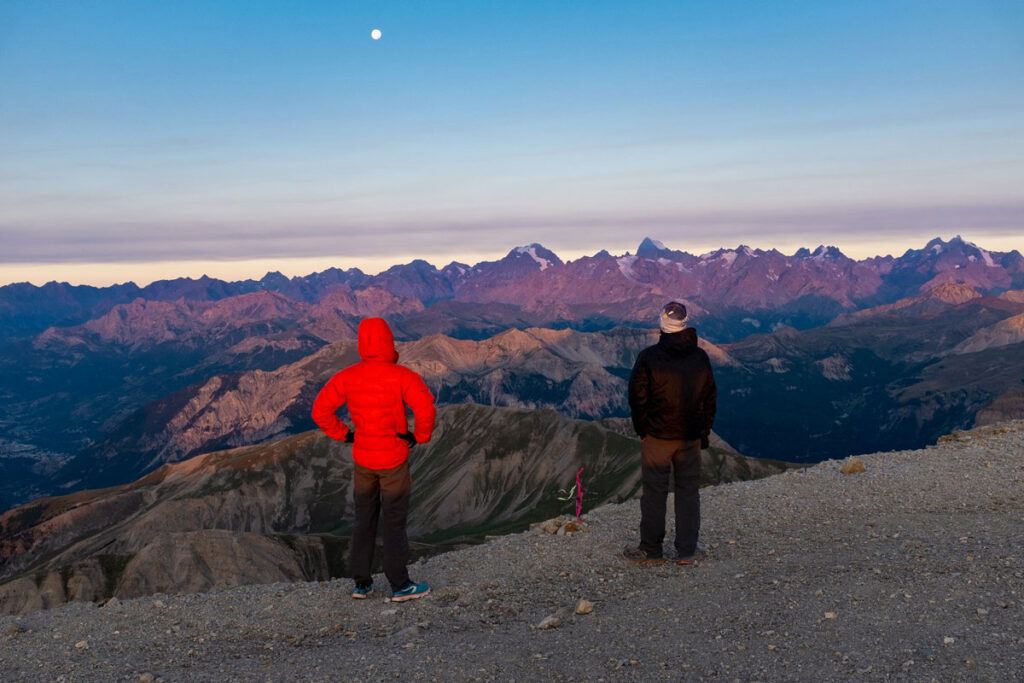
High-altitude hiking is accessible to all those who are well prepared, but it does require a few precautions. Before taking the plunge, it’s important to train your body to react well to altitude, where the air is thinner and oxygen less present. This preparation includes endurance exercises and perhaps a few hikes at progressively higher altitudes. What’s more, some mountain sections can be technical and difficult, requiring endurance, vigilance and specific skills. Don’t neglect training beforehand: it will enable you to enjoy your adventure to the full without the risk of having to turn back prematurely.
Hiking at altitude involves many challenges. Firstly, oxygen levels drop as altitude increases, making each breath more difficult and increasing the effort required. The air is also drier, which can affect your
hydration
and respiratory comfort. In addition, temperatures in the mountains vary greatly and rapidly, going from very hot to freezing in just a few hours. To manage these challenges, it is crucial to stay well hydrated, todress in layers to adapt to temperature changes, and take your time acclimatizing to altitude. Regular breaks to catch your breath and avoid altitude sickness are also recommended.
The right equipment is essential to the success and safety of your high-altitude trek. The
hiking boots
must be sturdy, comfortable and offer good support to prevent injury on uneven terrain. A well-chosen hiking bag, adjusted to your morphology and able to hold everything you need without being too heavy, is crucial. And don’t forget to pack technical clothing designed for mountain hiking, to ensure breathability and protection from the elements. Layers of clothing allow you to adapt to temperature variations. Finally, don’t forget to include accessories such as
hiking poles
a first-aid kit, a map and compass, even a GPS. Careful preparation of your equipment is essential if you are to face the challenges of high-altitude hiking in complete safety.
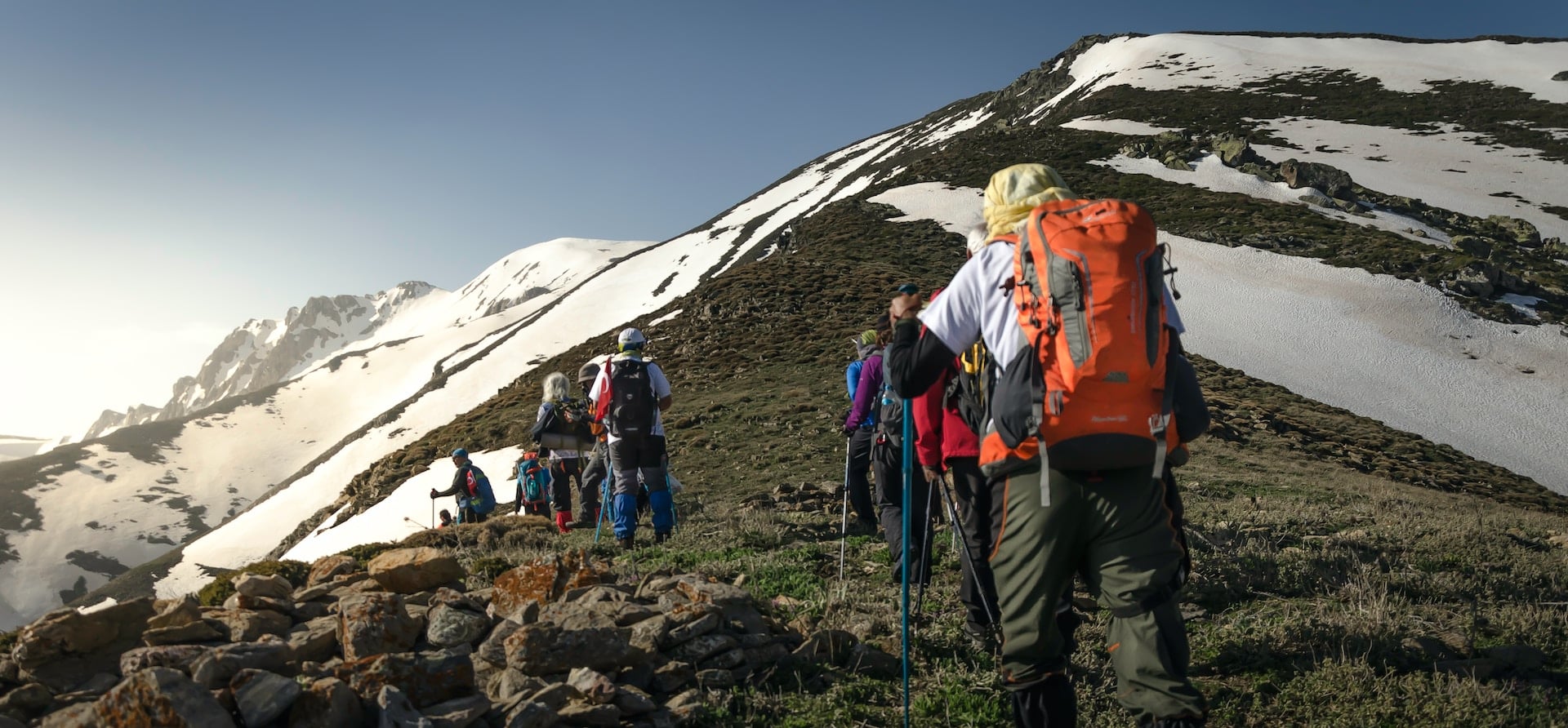
You may experience unpleasant but not serious symptoms, known as altitude sickness: fatigue, shortness of breath even at rest, headaches, migraines, sleep or digestive problems, dizziness… these sensations will not be the same for all hikers, but in general they can be observed:
To manage them better :
If altitude sickness is too intense at rest, then descend 200 or 300 meters and wait for symptoms to subside before climbing back up.
The more your legs are used to hard effort, the less oxygen your muscles need to cope with the difficulty. Your lungs and heart won’t have to work hard to transport this oxygen.
At altitude, the perceived weight is greater. It is therefore advisable to train with a heavier bag or weighted vest. The weight of the bag should never exceed 25% of your body weight.
Acute mountain sickness (AMS) is caused by too rapid an ascent to high altitude, lack of acclimatization and personal sensitivity.
Symptoms of acute mountain sickness usually appear within 6 to 10 hours of climbing, and include headaches and various other symptoms such as dizziness, loss of appetite, nausea, vomiting, fatigue, a feeling of weakness or irritability. The main risk is pulmonary or cerebral edema. So it’s vital to be vigilant for symptoms, and to go back down if you feel them.
Physical training at low altitude does not protect against acute mountain sickness. Marathon runners are at high risk, because they believe they can climb faster than others.
Prevention starts with acclimatization. It is possible that prolonged and successive stays at altitude may reduce the probability of acute mountain sickness. Similarly, prolonged pre-acclimatization at a moderately high altitude could be useful. Stay well hydrated, eat light and avoid alcohol and nicotine at altitude, as they can aggravate symptoms.








Or
Or
Your data is processed and collected by Lepape, which acts as the data controller, in accordance with the French Data Protection Act and the RGPD. For more information on the processing of your personal data, you can consult our Privacy policy.