New
CODE:

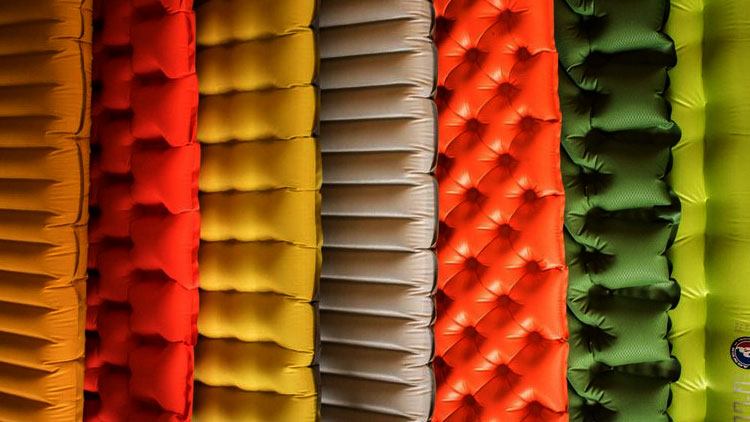
Sleeping outdoors requires the right equipment for a good experience. Mattresses are an obvious choice, as are sleeping bags. But what are the different types of mattress? Lepape first explains, then gives you advice.
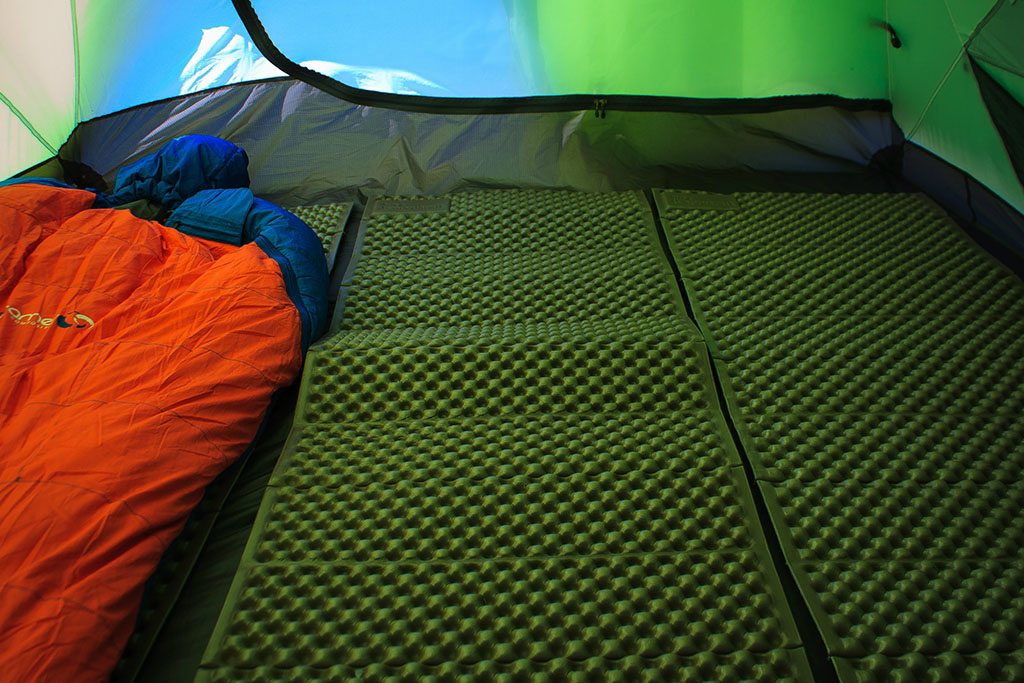
Foam mattresses can be an economical and practical option. They have advantages and disadvantages that you need to be aware of before making your choice.
are the cheapest and lightest. They can be rolled, but generally fold accordion-style. Honeycombed versions offer better insulation and greater comfort. Very practical, they can be set up and folded away quickly. Extremely resistant, it won’t puncture, unlike other types of hiking mattress. However, the foam mattress is bulky and relatively uncomfortable compared to other options. It can be used in conjunction with an inflatable or self-inflating mattress to improve insulation and provide protection from the ground.
Foam mattresses are recommended for occasional and summer use, i.e. for infrequent use or summer outings. They can be useful on hard, rough surfaces as they are sturdy. They can also be used in conjunction with other mattresses to improve insulation.
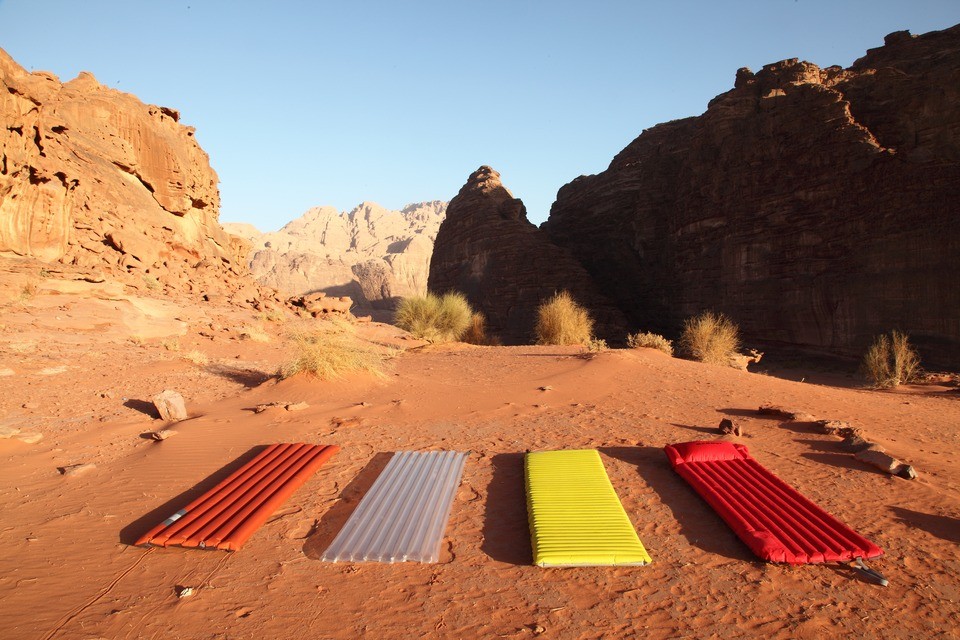
Inflatable mattresses are the solution for optimum comfort. There are many models to choose from.
Some inflatable mattresses are highly technical, offering optimum insulation and comfort while being compact and lightweight. However, the inflatable hiking mattress is also the most fragile, requiring a repair kit. It must be inflated before each use. Various pump models (manual, bag pumps, etc.) can facilitate this process by reducing effort and preventing moisture from penetrating the mattress. Inflatable mattresses are the most common and offer a wide variety of choices. That’s why it’s crucial to take a close look at the features of each model before you buy.
Inflatable mattresses are highly recommended for regular use, as comfort is essential. For frequent hikers, a quality air mattress is a good investment, offering superior comfort and optimum durability. This justifies its higher initial cost. For minimalist hikers who don’t want to take up too much space, the “short” versions of air mattresses are very light and compact. This type of air mattress covers only the essential parts of the body. See all our inflatable mattress models
The self-inflating mattress is the practical solution. It combines the advantages and disadvantages of foam and air mattresses.
The main advantage of self-inflating mattresses is their practicality, as all you have to do is let it unfold and then give it a few breaths before it’s ready for use. It’s more compact and comfortable than a foam mattress, though less so than an air mattress. More resistant to punctures, it nevertheless requires a repair kit. Its insulation is generally suitable for three-season use, but rarely for winter conditions or extreme cold. The self-inflating touring mattress is more efficient and comfortable than a foam mattress, and less efficient than a good inflatable mattress, while retaining its practicality and versatility.
Self-inflating mattresses are therefore recommended for medium to long hikes and for family use, as they are easy to install. See all our models on the site
Mattresses with integrated pumps are the camping solution.
It offers comfort and insulation and a practical inflation solution thanks to the integrated pump. However, it is heavier than a conventional air mattress. It’s also quite fragile.
Inflatable mattresses with built-in pumps are therefore preferable for overnight stays in a van or on a camping trip. They can also be very practical for family camping or for any use that doesn’t involve carrying equipment.








Or
Or
Your data is processed and collected by Lepape, which acts as the data controller, in accordance with the French Data Protection Act and the RGPD. For more information on the processing of your personal data, you can consult our Privacy policy.