New
CODE:

Conseils et meilleures marques
First of all, triathlon is a demanding discipline that combines three distinct sports: swimming, cycling and running. Each of these disciplines involves the body in a different way and presents its own specific challenges. That’s why the neoprene triathlon wetsuit is an essential part of every triathlete’s arsenal.
It stands out as a versatile piece of equipment, combining buoyancy and body temperature stability. The wetsuit offers significant advantages, not least for the crucial initial stage of the triathlon!
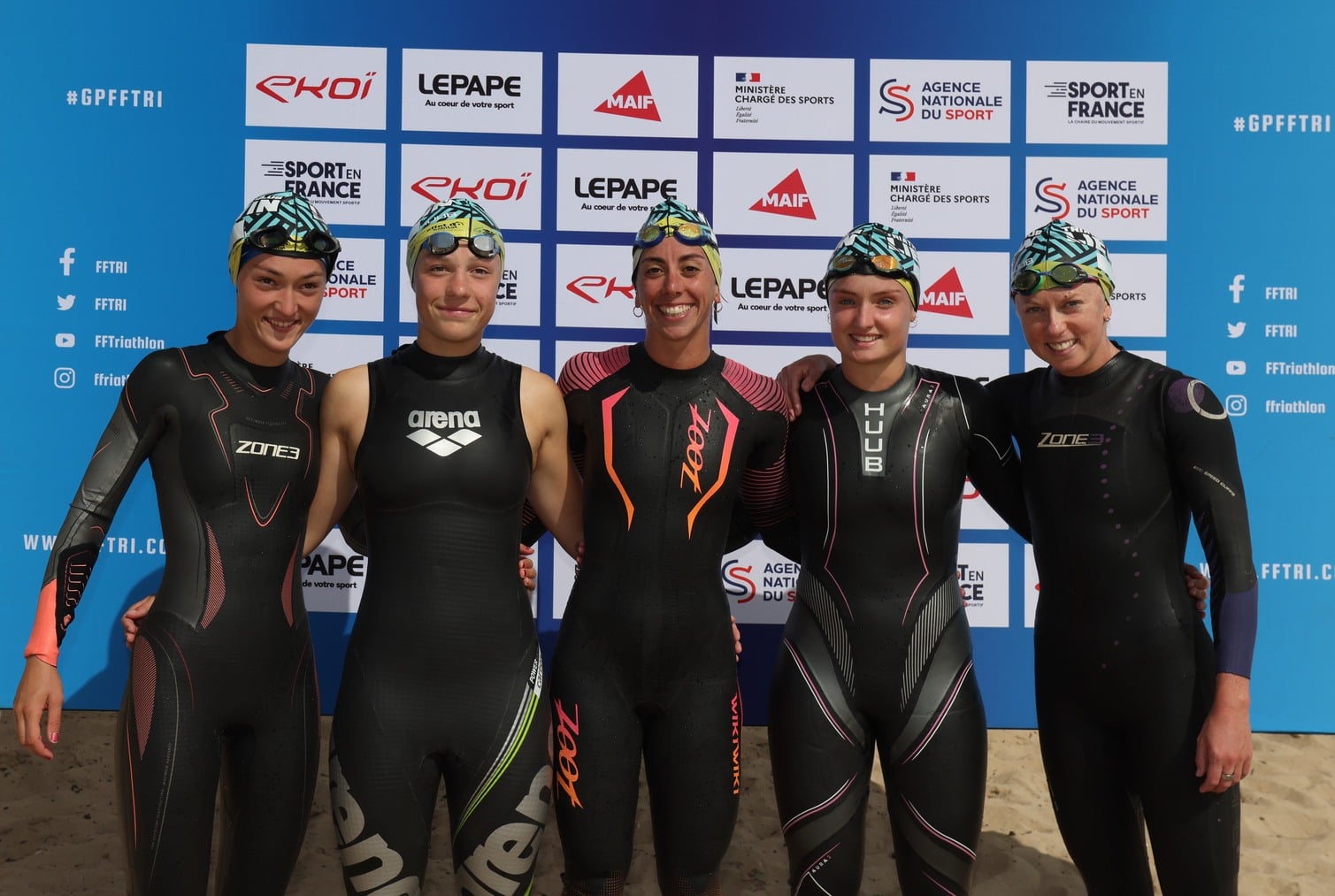
To choose the right neoprene wetsuit, several criteria need to be taken into account. In particular, depending on the triathlete’s level of experience.
Here are some key points to consider:
1. Neoprene thickness: Neoprene thickness affects both buoyancy and flexibility. Beginners can opt for a wetsuit offering greater buoyancy to make swimming easier, while experienced triathletes can opt for thinner, more hydrodynamic models to get back to the feeling of swimming without a wetsuit.
2. Buoyancy: Good buoyancy is essential, especially for beginners, as it helps maintain a horizontal position in the water and reduces fatigue. Make sure the suit offers the right balance of buoyancy and flexibility to meet your specific needs.
3. Flexibility: The flexibility of the wetsuit is important to allow freedom of movement when swimming. Thinner, more flexible neoprene suits are generally preferred by experienced triathletes.
4. Fit: A well-fitting suit is essential to avoid chafing and irritation during the race. Make sure the suit fits you perfectly, especially at the wrists, ankles and neck.
5. Other features: Also consider other features such as zippers, compression panels and specific materials used in the construction of the suit, depending on your personal preferences and budget.
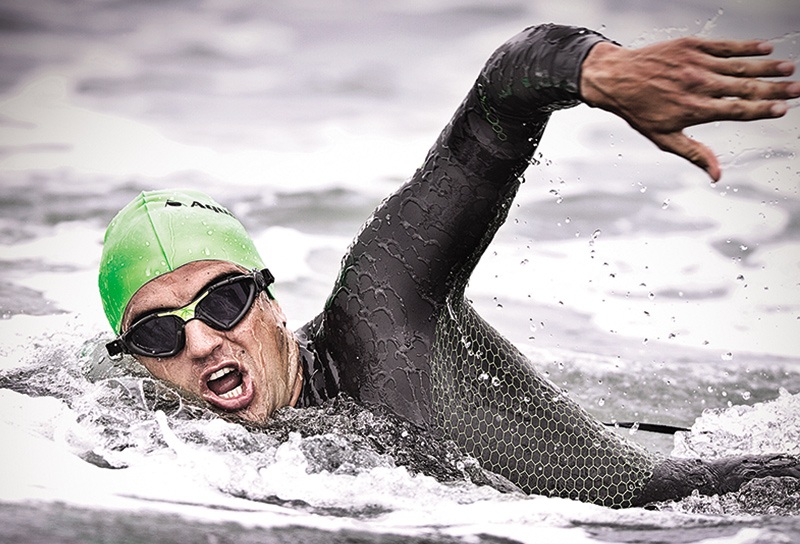
The decision to wear a neoprene wetsuit depends mainly on the water temperature during your triathlon event.
Water temperature below 16°C: In such cold waters, according to FFTRI regulations , wetsuits are compulsory for safety reasons and to protect against hypothermia.
Water temperature between 16°C and 24°C: In this temperature range, according to FFTRI regulations, neoprene wetsuits may be worn. The additional buoyancy offered by the wetsuit can also be advantageous.
Water temperature above 24°C: In warmer waters, FFTRI regulations prohibit the wearing of neoprene wetsuits, as they can cause the body to overheat while swimming.
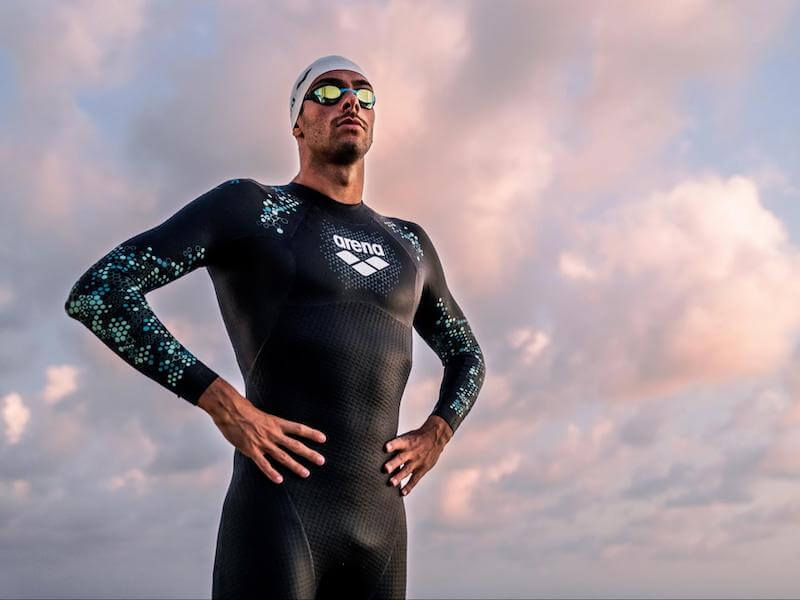
To choose the best neoprene wetsuit for your triathlon level, it’s essential to consider your specific needs and the features of each model.
For beginners, we recommend neoprene wetsuits with good buoyancy to facilitate swimming and maintain a horizontal position in the water.
Wetsuits with thicker neoprene may be preferable, as they offer greater buoyancy and thermal insulation. What’s best for less experienced swimmers
Combinations
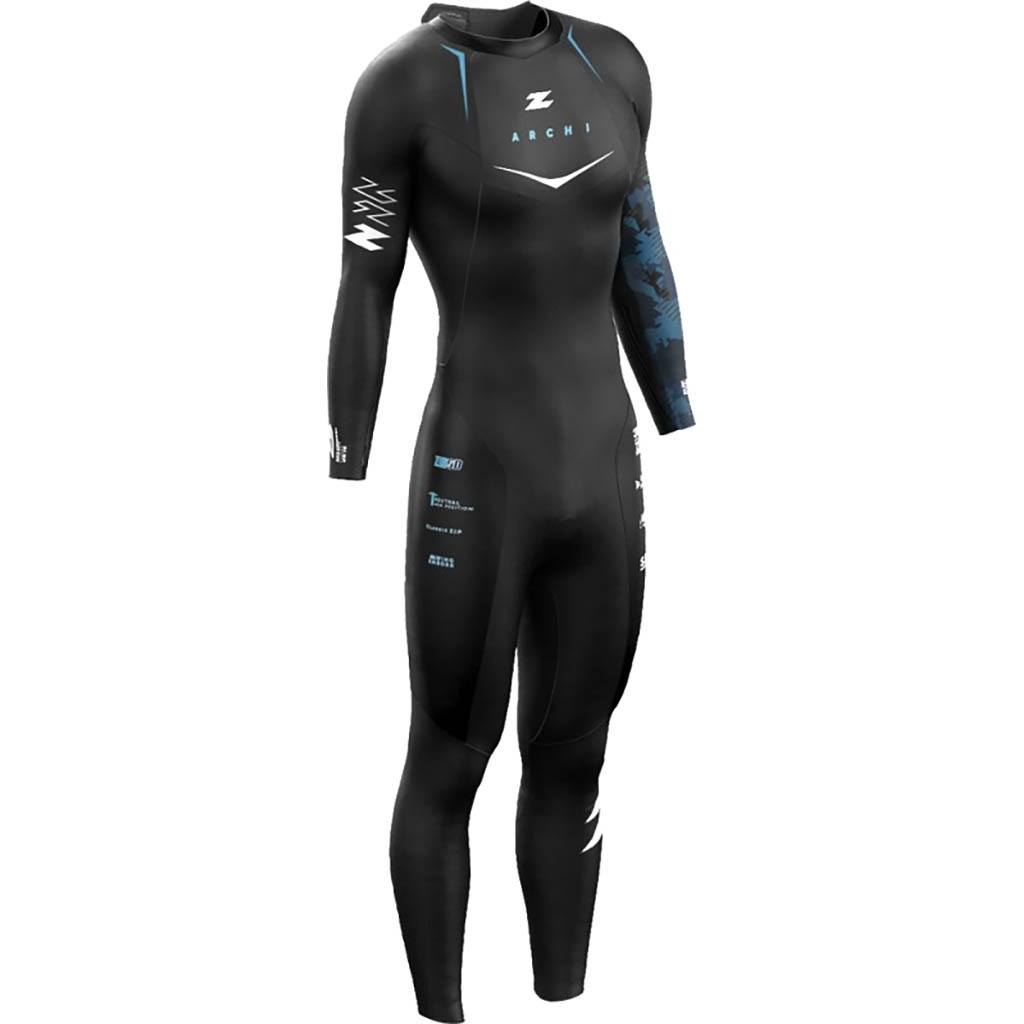
Zerod
wetsuits have a high buoyancy ratio (5:3), facilitate body alignment in the water and save effort.
For intermediate triathletes, consider neoprene wetsuits that offer a good balance between buoyancy, flexibility and performance.
Wetsuits with moderate neoprene thickness and a hydrodynamic design may be preferred, as they offer good freedom of movement while maintaining good buoyancy.
Brands such as
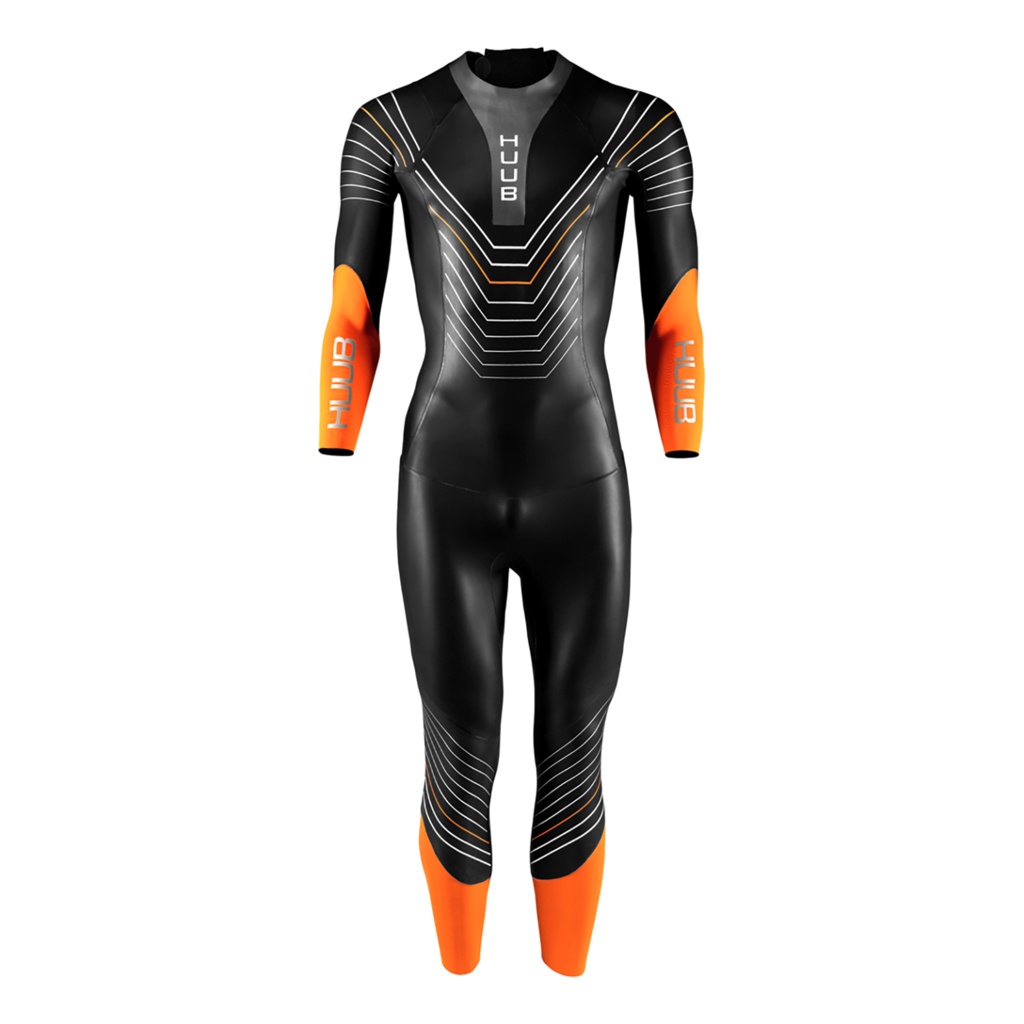
HUUB
offer wetsuits designed for intermediate triathletes, offering a good balance between comfort and performance.
For advanced triathletes, you can look for top-of-the-range neoprene wetsuits.
Wetsuits with thinner neoprene thickness and advanced features. Such as compression panels and high-tech materials can be used to maximize speed and efficiency.
Renowned brands such as
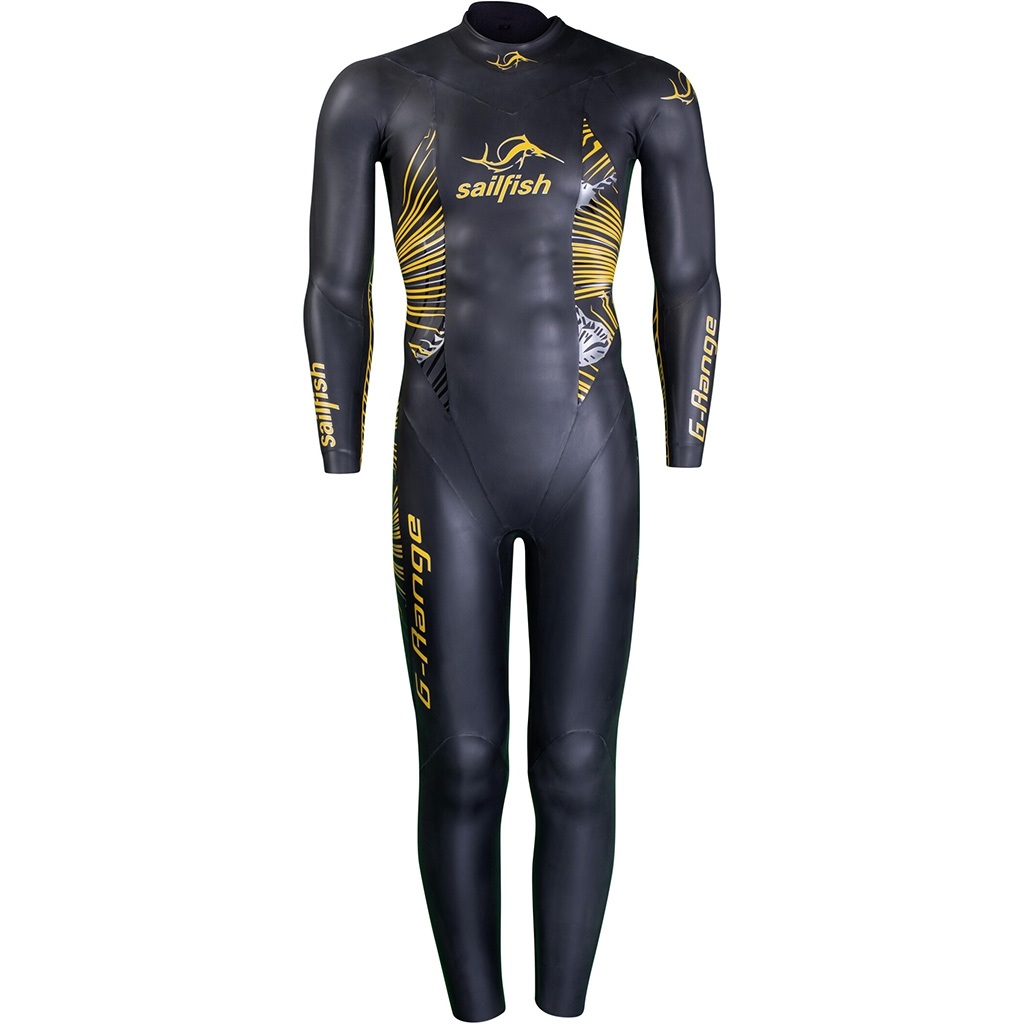
Sailfish
offer top-quality neoprene wetsuits designed to meet the demands of experienced triathletes, offering a perfect balance between performance, comfort and durability.
The worst enemy of neoprene wetsuits is “nail biting”: neoprene wetsuits should be put on by pinching with the fingers, not by pulling with the fingertips (or even with the fingernails), as neoprene cuts instantly. So be careful!
Each brand and model of wetsuit can have different cuts.
An ill-fitting suit can restrict your movements or cause irritation while you’re wearing it, making your sporting experience less enjoyable. That’s why it’s essential to first test which suit suits you best in terms of fit and comfort.
Our sales advisors are on hand in our Lepape stores to help you with your fitting. It takes at least 45 minutes.








Or
Or
Your data is processed and collected by Lepape, which acts as the data controller, in accordance with the French Data Protection Act and the RGPD. For more information on the processing of your personal data, you can consult our Privacy policy.