New
CODE:

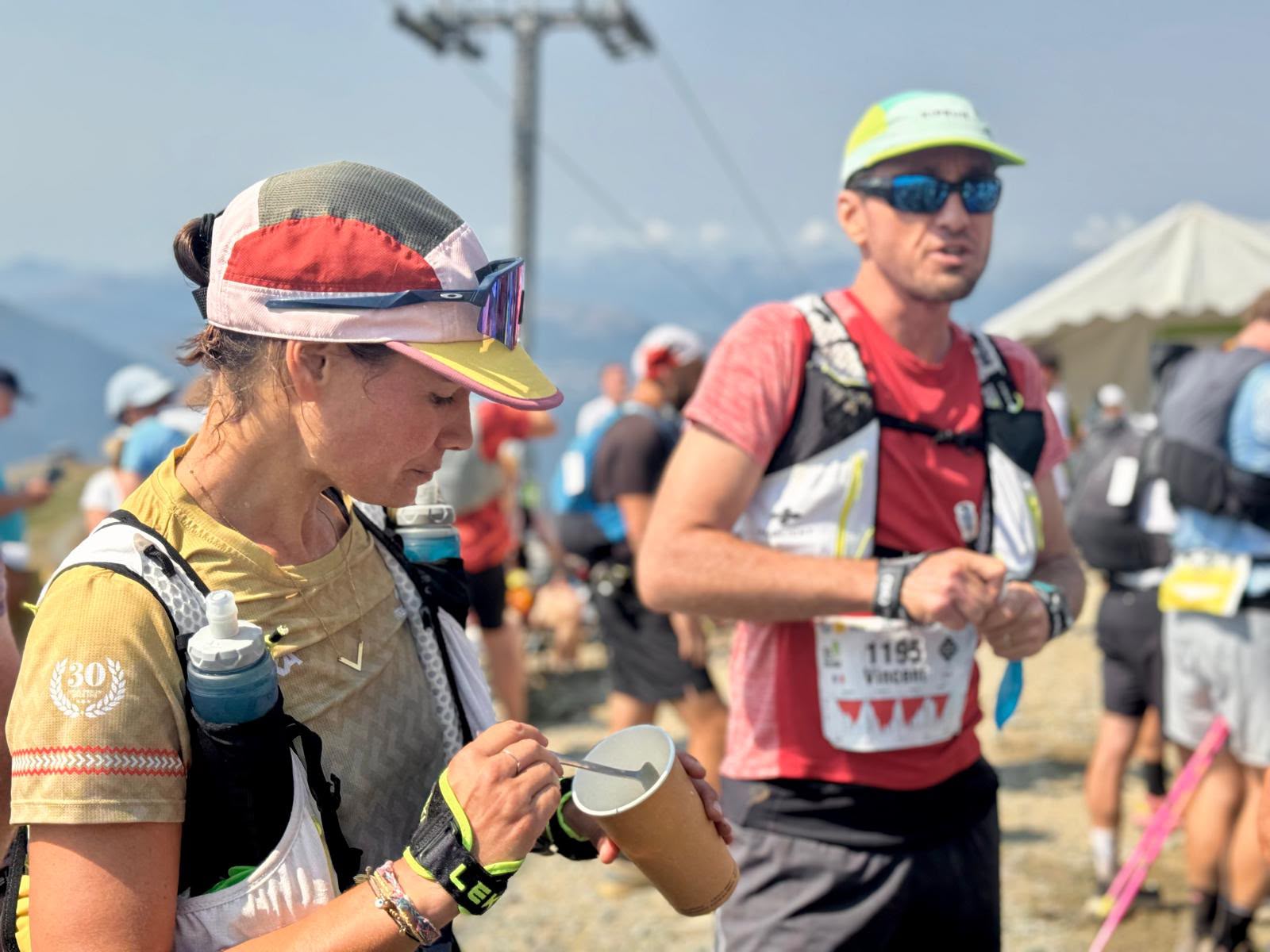
Nutrition plays a vital role in trail running, especially when the run lasts several hours. Properly managing your energy intake and hydration helps you maintain your performance over the long term and reduces the risk of fatigue or digestive issues. Just like training and choosing the right gear, nutrition is an integral part of preparing for a trail run.
Are you new to this sport? Check out our tips for getting started with trail running and learn the basics of this sport.
In trail running, variations in pace , elevation gain , and the duration of the effort put a heavy strain on energy reserves. The longer the race, the more important it becomes to anticipate your needs.
The goal is not to wait until you’re hungry or experiencing a drop in energy to eat. Instead, you should plan your intake and distribute it evenly throughout the race.
For efforts lasting less than 1 hour 30 minutes, specific nutrition during the race is generally not necessary. Beyond that, a nutritional strategy becomes particularly important.
Preparation begins several days before the race. There’s no need to drastically change your diet: the main goal is to arrive at the starting line with sufficient energy reserves and proper hydration.
Nutrition should also be considered part of your overall preparation. For all our tips on training, gear, and planning your runs, check out our guide to preparing for a trail run.
Gradually increase your intake of carbohydrate-rich foods: rice, pasta, potatoes, semolina, bread, or cereal, depending on your usual diet. The day before, be sure to avoid very heavy meals or foods that you know are hard to digest.
Don’t try a new food or product the day before a trail run. Your race nutrition should have been tested during your training.
Eat your last meal early enough to allow time for digestion. It should consist mainly of carbohydrates, while remaining easy to digest and low in very fatty or particularly high-fiber foods.
A few hours before departure, you can also have a small carbohydrate-rich snack if that’s what you’re used to: fruit compote, a banana, bread with honey, or an energy bar.
During the race, the goal is to regularly supply the body with carbohydrates to maintain energy levels.
For efforts lasting longer than 1 hour and 30 minutes, a carbohydrate intake of 30 to 60 g per hour is a commonly used baseline. In very long races, some well-trained runners can gradually increase their intake to higher levels, but this requires proper digestive conditioning.
The most important thing is to figure out the amount and types of foods that you personally can tolerate.
There are many possibilities:

Eating during a trail run is a skill that can be learned just like running uphill or managing your pace. Nutritional strategy should therefore be gradually integrated into your long runs and training.
Use your training sessions to test your energy gels, drinks, and bars—as well as how often you consume them. This will help you figure out what your body tolerates best and avoid any unpleasant surprises on race day.
Hydration is another factor that needs to be planned ahead of time. Your needs will vary depending on the duration of the run, the temperature, the elevation gain, and how much you sweat.
Drink regularly, without waiting until you feel very thirsty. On long rides, sports drinks can also provide carbohydrates and electrolytes in addition to water.
To carry your hydration, consider a hydration bladderor water bottles or a hydration belt, depending on the length of your run. Check out our tips for choosing your hydration vest or pack.
The longer the trail, the more important it becomes to diversify your intake.
For a race lasting 2 to 4 hours, energy gels, sports drinks, fruit compotes, and other easily digestible foods can form the basis of your nutrition strategy.
For an ultra-trail or a race lasting more than 4 hours, solid foods take up more space. Alternating between sweet and savory foods helps keep things interesting and limits the feeling of being overly full that comes from very sweet foods.
This way, you can combine energy gels, bars, carbohydrate drinks, and solid foods according to your preferences and the refreshments available along the race route.
Once you’ve crossed the finish line, nutrition plays a key role in recovery. In the hours following your run, opt for a balanced meal that combines carbohydrates, protein, and hydration.
To learn more about protein intake and the various uses of these products, check out our guide “Protein Bars: How to Choose Them and When to Eat Them.”
Carbohydrates help gradually replenish energy stores, while protein supports muscle recovery.
After a long run, be sure to drink regularly to replenish lost fluids.
The best trail running nutrition is the one you’ve tried and can tolerate well. Plan your strategy based on the race’s duration, train your digestive system during long runs, and include enough variety to keep your meals enjoyable all the way to the finish line.
Nutrition is therefore just as important as training and gear. If you’re preparing for your first race, check out our guide for getting started in trail running and all our tips for preparing for a trail run.
Opt for a meal that’s high in carbohydrates and easy to digest a few hours before the start. Avoid foods that are very high in fat or fiber, or that you’ve never tried before a race.
For prolonged exertion, focus on regular carbohydrate intake through gels, energy drinks, fruit compotes, fruit jellies, or energy bars. Always test your strategy during training.
For a run lasting less than 1 hour and 30 minutes, specific energy intake during the race is generally not necessary if you’ve eaten properly before the start.








Or
Or
Your data is processed and collected by Lepape, which acts as the data controller, in accordance with the French Data Protection Act and the RGPD. For more information on the processing of your personal data, you can consult our Privacy policy.