New
CODE:

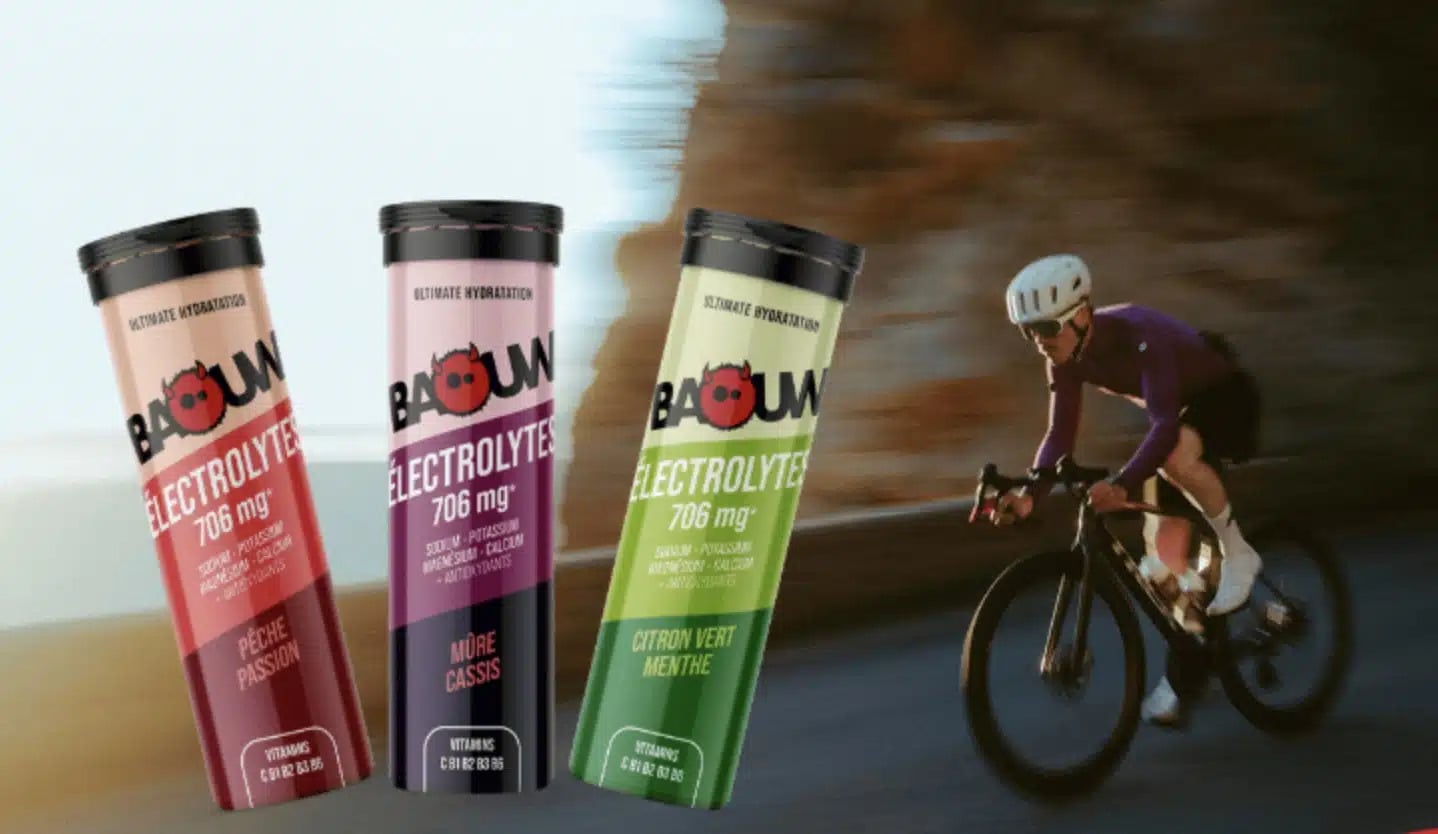
Electrolytes are minerals found in the body that play a role in various essential functions, including fluid balance and muscle function. During prolonged exercise, some of these minerals are lost through sweat. Find out what electrolytes are used for, when to consume them, and how to choose the right amount for your sport.
Electrolytes are minerals that carry an electrical charge when dissolved in a liquid. They include sodium, potassium, magnesium, calcium, and chloride.
These minerals play a role in many bodily functions. In particular, they are involved in fluid balance, nerve transmission, and normal muscle function.
Sodium is particularly important during exercise, as it is one of the main electrolytes found in sweat. However, the amount lost through sweating varies greatly from person to person.
Electrolytes help regulate the body’s fluid balance. During physical activity, sweating leads to a loss of water as well as various minerals.
During prolonged physical activity, especially in hot weather, it may therefore be important to consider both hydration and electrolyte intake.
Certain electrolytes, including sodium, potassium, calcium, and magnesium, play a role in the normal functioning of muscles and the nervous system.
However, this does not mean that additional fluid intake is necessary for every session. Fluid needs depend, among other things, on the duration of the activity, the temperature, and the amount of sweat produced.
The longer the exercise and the more you sweat, the greater your fluid and mineral losses may be. However, the composition of sweat varies from person to person.
For prolonged exercise, a strategy combining fluid intake and electrolytes may be considered, depending on the athlete’s needs and the conditions under which the activity is performed.
Electrolytes are particularly beneficial when exercise lasts for an extended period and fluid loss through sweating becomes significant.
In particular, they can be useful during a trail run, marathon, long bike ride, or triathlon. The strategy should be tailored to the duration of the activity and the weather conditions.
To round out your hydration strategy, be sure to check out our guide , “Isotonic Drinks: What Are They For and When Should You Drink Them?”
Heat can increase sweating and, consequently, fluid and mineral loss. Under these conditions, hydration and electrolyte intake deserve special attention during prolonged exercise.
To better adapt your running routine to high temperatures, be sure to check out our guide to Running in Hot Weather.
It is not always necessary to take electrolytes before physical activity. For typical, short-duration exercise, a balanced diet and adequate hydration generally meet your daily needs.
However, a specific dietary supplement may be considered as part of certain strategies for preparing for a long-duration activity, particularly when hot conditions or the expected duration warrant it.
After prolonged and particularly strenuous exercise, staying hydrated remains important. Electrolyte intake can be part of your recovery strategy, in addition to a balanced diet.
Post-exercise needs depend, in particular, on the amount of fluid and minerals lost during the activity.
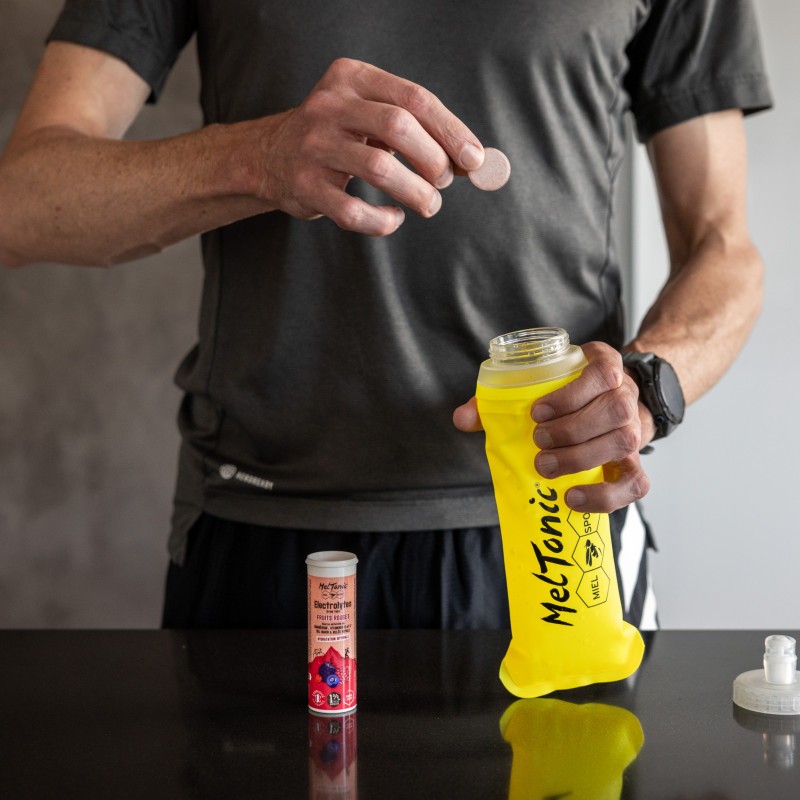
. Sodium is the electrolyte that should be monitored most closely when it comes to sports hydration. However, products can have very different concentrations.
Compare the amount of sodium per serving and, when applicable, per volume of prepared beverage.
Depending on the product, the formulas may also contain potassium, magnesium, calcium, or chloride.
However, the presence of multiple electrolytes does not necessarily mean the formula is better. The product’s value depends on its composition and intended use.
Some electrolyte solutions contain few or no carbohydrates, while sports drinks may combine electrolytes and carbohydrates.
If you’re also looking to boost your energy during prolonged exercise, a carbohydrate-containing drink may be a good option. Otherwise, an electrolyte solution without a significant energy content may meet a different need.
These three options don’t serve exactly the same purpose.
The choice therefore depends on the duration and intensity of the activity, weather conditions, and your individual needs.
To choose between water and electrolyte drinks during a race, also see our guide Isotonic drink or water: what to drink during a race?
To understand more precisely the role of isotonic drinks, consult our guide Isotonic drink: what is it used for and when to drink it?
Electrolytes do not replace the energy intake needed during prolonged exercise. They can be combined with various sources of carbohydrates depending on the duration and intensity of the activity.
During a long run, you can combine an electrolyte drink with energy gels or bars. The goal is to adjust your intake based on the duration of the run while avoiding an unnecessary number of products.
To find out when to use a carbohydrate source in gel form, check out our guide , “Energy Gels: When to Take Them and How to Choose Them.”
You can also vary your energy sources with a bar. Check out our guide, “Energy Bars: When to Eat Them and How to Choose Them.”
No, consuming electrolytes isn’t always necessary for every trail run. Whether they’re beneficial depends largely on the race’s duration, the temperature, how much you sweat, and your hydration strategy.
During long-distance events or in hot conditions, they may play a more significant role in your nutrition strategy. It is recommended that you test your plan during training before implementing it in competition.
For more information, check out our tips in our guide, “Trail Running Nutrition: Before, During, and After the Race.”
Electrolytes are minerals that play a key role in fluid balance, muscle function, and nerve transmission. During prolonged exercise, some electrolytes are also lost through sweat.
They can be particularly beneficial during prolonged exercise and when sweating heavily, especially in hot weather. Requirements vary depending on the individual athlete and the conditions of the activity.
The main electrolytes include sodium, potassium, magnesium, calcium, and chloride. Sodium is particularly abundant in sports hydration products.
Electrolytes refer to minerals, while an isotonic drink is a beverage designed to aid hydration and may contain water, carbohydrates, and electrolytes.
It’s generally not a standard practice for short-duration exercise. Whether they’re beneficial depends largely on the actual duration of the exercise, the temperature, and the amount of sweat produced.
Electrolytes themselves are not a source of energy. To get carbohydrates during exercise, you need to choose a drink or product that contains them, such as certain gels or sports drinks.








Or
Or
Your data is processed and collected by Lepape, which acts as the data controller, in accordance with the French Data Protection Act and the RGPD. For more information on the processing of your personal data, you can consult our Privacy policy.