New
CODE:

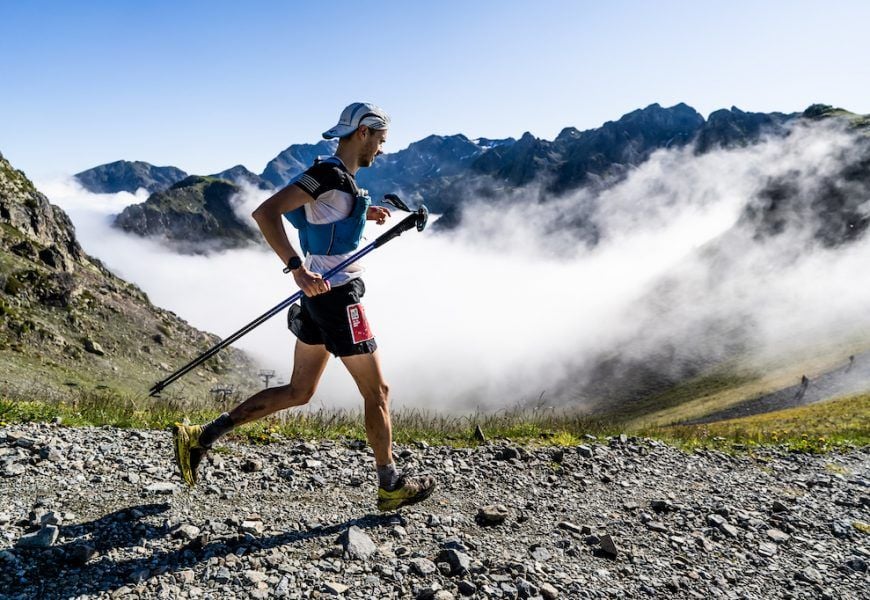
The Ultra-Trail is a very demanding trail race. To succeed in this event, you need the right equipment. This article guides you through the equipment checklist, detailing each essential item to prepare you for the challenges of the ultra-trail.
When you start preparing for your race, certain items of equipment are absolutely essential. Here’s a list of what every runner should have:
Selecting the right
backpack
is essential to carry all the necessary equipment while maintaining comfort during the race. We recommend opting for a backpack specifically designed for
Weather conditions can be unpredictable, especially when it comes to Ultra trail running in the mountains. Runners need to be prepared for rain, wind and cold. Bring waterproof
waterproof clothing
such as a jacket and
pants
and trousers that ensure good breathability while offering optimum protection against the elements. Some
thermal tights
are also recommended to maintain body heat during extreme passages.
To ensure your safety during this demanding competition, here are a few items of equipment you should not overlook:
A
survival blanket
is essential for any emergency situation where you may be forced to remain immobile for an extended period. The whistle included on your backpack will help draw attention if needed in the event of distress.
Throughout the race, keep your phone ready and fully charged. Many sections of the course are isolated, so keeping an open line of communication with support crews can make a big difference.
Maintaining your energy levels is crucial to completing the full distance of the Ultra Trail du Mont Blanc. Here are some practical tips on food supplies and hydration:
Having water bottles or a water tank built into your backpack allows you to drink regularly without slowing down your progress. Aim to carry enough water for long sections between refreshment points.
Recommended foods include energy gels, cereal bars, dried fruit and nuts. These fast-acting energy sources are easy to consume during the race and help prevent fatigue.
An often overlooked but crucial element is the customization and adjustment of your equipment to perfectly match your individual needs.
Investing in well-fitting sportswear is essential to avoid chafing and maximize comfort throughout the race. Whenever possible, opt for adjustable pieces and consider custom modifications for a perfect fit.
Every athlete has a different body type, so it’s vital to test and adjust the backpack before the big day. The lumbar belt, shoulder straps and chest straps should all be adjustable to ensure even weight distribution and prevent unnecessary rubbing.
Having the right equipment not only increases your chances of finishing a race like the Ultra trail du Mont Blanc, but also ensures that you get the most out of this unique sporting adventure. By following this equipment checklist, every runner will be able to prepare their gear meticulously and tackle the race in the best possible conditions.
READ MORE IN OUR TIPS PAGES








Or
Or
Your data is processed and collected by Lepape, which acts as the data controller, in accordance with the French Data Protection Act and the RGPD. For more information on the processing of your personal data, you can consult our Privacy policy.