New
CODE:

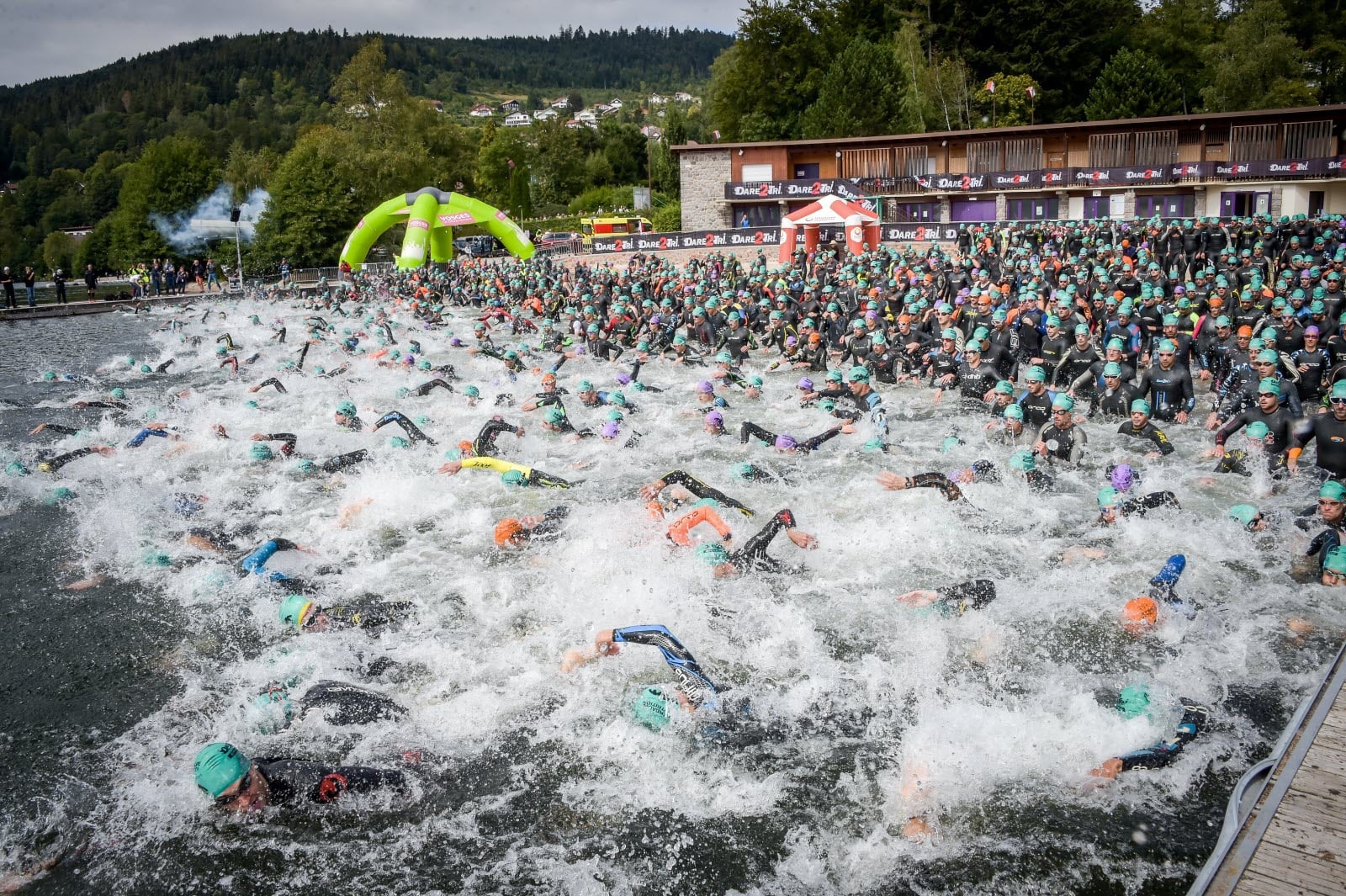
Group starts in triathlons are often a source of apprehension for beginners and experienced triathletes alike. Unlike a well-ordered swimming pool open open water involves physical proximity, involuntary strokes and great agitation from the very first seconds. Knowing how to manage this crucial phase of the triathlon is essential not only to preserve your energy, but also to stay focused on your race strategy. Learning to position yourself, breathe calmly and find your rhythm quickly are key elements in transforming this chaotic moment into a successful start.
Before the race, find out what type of start is planned: in line, rolling start or wave start. This will influence your positioning, warm-up timing and stress management.
If possible, reconnoitre the course. Identify buoys, visual landmarks, currents and natural obstacles.
Before the race, take a few minutes to mentally visualize the first few minutes of the swim. This will help you anticipate your movements and stay calm.
The fastest swimmers position themselves in the center front, where the start is most aggressive. If you’re less comfortable, position yourself on the sides or slightly back to avoid the “washing machine”.
Less hectic zones often form on the outside or just behind more experienced swimmers. These lanes allow swimmers to find their own rhythm without being too disturbed.
The first few dozen meters are often disorganized. Adopt a “higher” stroke, with good visibility and arms raised to get over the eddies.
Keep breathing bilaterally to monitor your surroundings. Breathe calmly, even if your heart rate increases. Oxygenation is the key to not panicking.
Arm-twisting and kicking are inevitable. The important thing is not to let them bother you. Stay focused on your stroke and trajectory.
If you panic, slow down and swim breaststroke or backstroke for a few moments. Catch your breath and start again gradually.
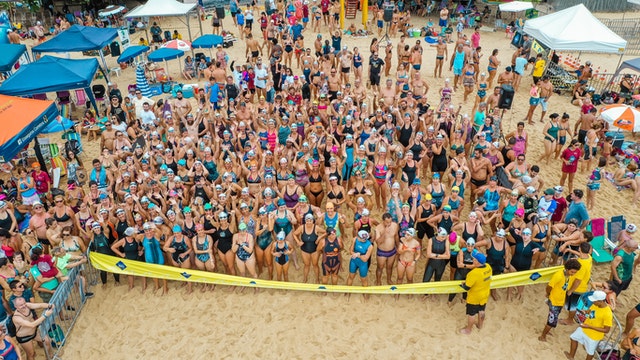
Yes, wave starts (by age group or level) reduce the density of swimmers, which limits contact and stress. This makes them more accessible, especially for beginners.
If panic sets in, swim breaststroke or stand on your back to catch your breath. Concentrate on your breathing and regain your rhythm as soon as possible.
Yes, a warm-up in the water is highly recommended. It prepares the body for the temperature and movement of the swim, reducing the risk of thermal shock.
The wetsuit provides buoyancy and light impact protection. It’s not compulsory unless the weather calls for it, but it’s often recommended.








Or
Or
Your data is processed and collected by Lepape, which acts as the data controller, in accordance with the French Data Protection Act and the RGPD. For more information on the processing of your personal data, you can consult our Privacy policy.