New
CODE:

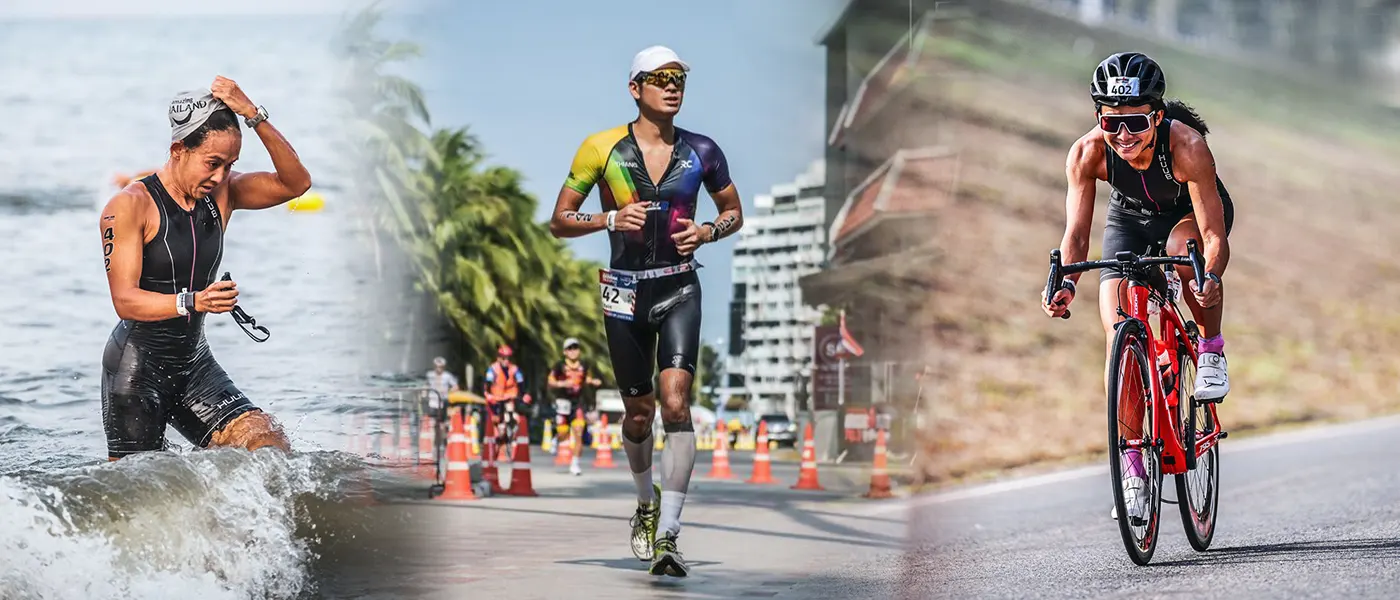
All too often neglected, course reconnaissance is a major strategic lever in triathlon. Knowing the specifics of the course in advance – whether swimming, cycling or running – enables you to better manage your effort, anticipate difficulties and gain peace of mind. Technical twists and turns, demanding climbs, open-water markers or transition zones: any element can make the difference on the big day. Whether you’re a beginner or an experienced racer, reconnaissance transforms an unfamiliar race into mastered terrain. Here’s how to prepare yourself to optimize your performance.
Recognizing the course allows you to identify critical points, such as sharp bends, windy areas, steep climbs or fast descents. This helps you adapt your pace and effort strategy.
You’ll know exactly where to enter and exit, and how to get around. You’ll know exactly where to enter and exit, and how to get around. L’ransition bag organization is also a key element.
Knowing the terrain reduces uncertainty and stress. You can approach the race with greater serenity, with a clear vision of what lies ahead.
Consult the documents provided by the organizer: maps, gradients, technical details. This will give you an initial idea of the route.
If possible, get there a few days beforehand. Swim in the open water zone, ride the bike course and run at least part of the pedestrian route.
Platforms such as Garmin Connect can help you analyze the terrain, predict your pace or identify key segments.
Locate buoys, straight lines, currents or shadows. Visualize alignment points to stay on course.
Identify rolling areas, technical sections and places to eat or drink. Adapt your gear ratio to suit bumps and descents.
Take note of surfaces (asphalt, trail, grass), frequent restarts or uphill sections. This will help you choose the right shoes and manage your energy.
Many organizers and athletes post videos of the course. This is a useful alternative if you can’t make it to the event.
By studying previous editions, you can anticipate strategic areas or recurring pitfalls.
Yes, if possible. Each discipline has its own pitfalls. Failing that, prioritize swimming and cycling, which require more anticipation.
Ideally, you should do it the day before or two days before. This gives you time to adapt your race plan without compromising your freshness.
Rely on online resources: videos, GPX profiles, forums or GPS applications. It’s less precise, but often sufficient.
Yes, because in a short format, every second counts. A quick transition or a well-negotiated turn can make all the difference.








Or
Or
Your data is processed and collected by Lepape, which acts as the data controller, in accordance with the French Data Protection Act and the RGPD. For more information on the processing of your personal data, you can consult our Privacy policy.