New
CODE:

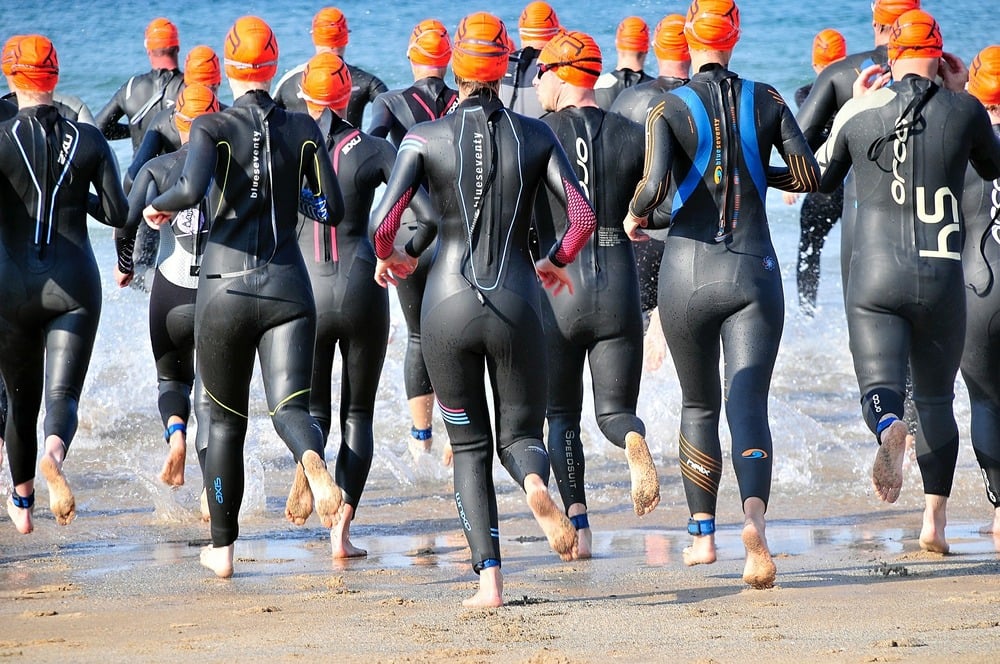
Good nutrition before, during and after a triathlon is essential to avoid dehydration, prevent fatigue and maintain optimum performance. The success of your M triathlon depends as much on your physical preparation as on an adapted, tested and personalized nutritional strategy. Here are our tips for managing your diet throughout your race.
This phase aims to optimize your energy reserves and ensure proper hydration.
Gradually increase your intake of complex carbohydrates. Maltodextrin is ideal for this: drink 1 to 2 cans a day outside mealtimes. And don’t forget to stay well hydrated. If you have a sensitive digestive system, limit raw vegetables and high-fiber vegetables.
Your dinner should be composed of easily digestible foods, high in carbohydrates and low in fiber. Sample menu: cooked vegetable soup, chicken cutlet, pasta seasoned with a tablespoon of oil and a little turmeric, followed by a fruit compote.
This last meal should be energetic, easily digestible and familiar. Choose water or fruit juice, Energy cake or Energy cream, fruit compote. Keep well hydrated.
This phase is often stressful and energy-consuming. To avoid premature hypoglycemia, consume a pre-race drink to stabilize blood sugar levels and maintain hydration.
During a long, intense effort such as an M triathlon (1.5 km swim, 40 km bike, 10 km run), your body loses a significant amount of water, carbohydrates and electrolytes. So it’s essential to compensate for these losses with regular hydration, constant energy intake and appropriate recovery.
Just before the start, consume an Energy Gel Short Distance to provide a quick initial supply of carbohydrates. This little boost will get you off to a good start.
When you get out of the water, take another Energy Gel Short Distance to recover and start cycling efficiently. Take advantage of this moment to hydrate without delay.
During the cycling phase, the priority is hydration. Start drinking within the first few kilometers. Be prepared:
Keep an Energy Gel Short Distance close at hand in case of a slump. The vitamins B6 and B12 it contains help reduce fatigue.
Tip: opt for a dual-purpose water bottle to alternate effortlessly between drink and water.
Hydrate with water and rinse your mouth if necessary. If you feel tired, take an Energy Gel Long Distance to anticipate your running effort.
Hydrate at every feed to maintain your pace. Carry a Long Distance Energy Gel with you for when you’re feeling sluggish. It contains vitamins B6 and B12 to combat fatigue.
Once the race is over, it’s time for recovery! Your body needs to rehydrate, replenish its energy reserves and repair stressed muscle fibers.
It’s crucial to test all the products you’ll be using during your training runs. This will help you avoid any digestive discomfort and adapt your nutritional strategy to your personal needs.








Or
Or
Your data is processed and collected by Lepape, which acts as the data controller, in accordance with the French Data Protection Act and the RGPD. For more information on the processing of your personal data, you can consult our Privacy policy.