New
CODE:

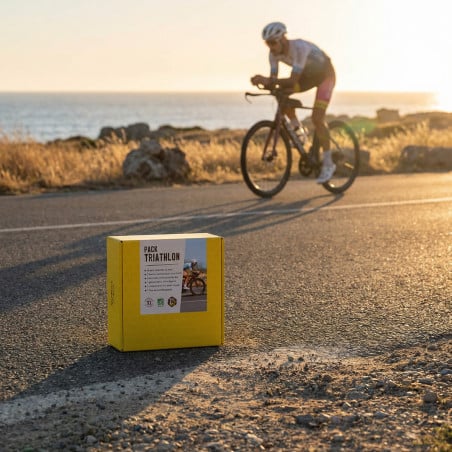
Nutrition plays an important role in preparing for and managing the physical demands of a triathlon. Between the swim, bike, and run, energy needs and opportunities to refuel change as the race progresses. A tailored nutrition strategy helps you anticipate your needs, minimize digestive issues, and manage your hydration. Discover our tips for planning your nutrition for a triathlon, choosing your energy sources, and adapting your strategy to the distance you’ll be covering.
Focus on a varied diet, with carbohydrate intake tailored to your training and the distance of the triathlon. Pasta, rice, potatoes, bread, and grains can help meet these needs. Stay hydrated throughout the day and avoid sudden changes in your diet as the competition approaches.
The day before the race, choose familiar meals that are high in carbohydrates and easy to digest. Rice, pasta, or potatoes can form the basis of your meal, accompanied by foods that you tolerate well. If you have a sensitive digestive system, limit foods that are very fatty, very spicy, or particularly high in fiber.
Avoid trying a new food or dietary supplement at this time.
Plan your meal early enough to allow time for digestion. A general guideline is to eat about three hours before the start, though this should be adjusted based on your tolerance and the competition’s schedule.
Nutrition during a triathlon should be planned in advance based on the distance, the estimated duration of the event, the intensity, and your digestive tolerance. The nutritional needs for a short-distance triathlon are different from those for a long-distance triathlon. Plan your strategy in advance so you know when to drink, when to eat, and how to carry your food and drinks.
Swimming generally doesn’t allow you to eat or drink while you’re in the water. You should therefore plan ahead for this first segment by arriving at the start line properly hydrated and with appropriate nutrition. For long-distance events, be sure to plan your nutrition intake for the cycling and running segments.
Cycling is often the most convenient time to eat and drink. It generally makes it easier to consume food and drinks than when running. Depending on the length of the race and your needs, you can plan to bring a combination of energy drinks, gels, bars, or other easy-to-carry foods.
Isotonic isotonic beverages can contribute to carbohydrate and electrolyte intake, depending on their composition. Energy bars offer another option for varying your intake, while energy gels provide a compact way to consume carbohydrates.
Plan your nutrition strategy before the race and make sure you can easily access your supplies during the bike leg. Also, test how to carry and consume them under real-world conditions, especially if you’re using water bottles or built-in bike storage.
Running can make eating more challenging, as the movements and intensity of the workout can make digestion more difficult. Stick to foods you’re familiar with and have already tried during your training sessions.
Energy gels and drinks can supplement your intake when the duration of the event warrants it. Also, plan ahead for refueling opportunities along the course and adapt your strategy to the race conditions. Avoid trying a new product on race day.
Depending on the duration and intensity of the race, food intake during the race may be more limited. Preparation before the start and hydration should still be planned in advance.
Plan a strategy for energy intake and hydration, especially during the bike leg, when it’s generally easier to consume food and drinks.
Plan more precisely the quantities, timing of consumption, and transportation of food. Digestive tolerance and the ability to maintain nutrient intake over time are essential factors to consider.
These guidelines must be tailored to each athlete. There is no single strategy that works for all triathletes: needs depend, in particular, on the duration of the race, the intensity, weather conditions, and individual tolerance.
Hydration depends on the duration of the activity, temperature, humidity, and perspiration. It is important to make sure you have opportunities to drink regularly throughout the event, without always waiting until you feel intensely thirsty.
When cycling, make sure you have a practical way to carry your drink and access it easily. During the run, take into account the available aid stations and your ability to drink while running.
An isotonic drink can help provide carbohydrates and electrolytes, depending on its composition. Its benefits depend on the duration of the event and your needs. It is not a substitute for an appropriate hydration strategy.
Avoid drinking excessive amounts in an effort to build up reserves before departure. Your strategy should be gradual and tailored to your needs.
After finishing the race, eating and staying hydrated help with recovery. Start by drinking as much as you need, then plan to eat a meal that includes carbohydrates, protein, and a variety of foods.
Carbohydrates help replenish energy stores, while proteins help repair muscle tissue. A complete meal is generally a good choice when you can eat soon after a race.
If you can’t eat a meal right after you arrive, a snack or a recovery drink can be a good interim solution. Choose foods that agree with you and adjust your intake based on your hunger and your needs.
Be sure to check out our selection of post-workout sports nutrition products.
Energy gels, drinks, and bars should be tried during training to check how well your body tolerates them and how easy they are to use. Take advantage of your long runs and back-to-back workouts to test these products and fine-tune your strategy before the race.
When the duration of the event requires energy intake, plan ahead for when you’ll consume your food and drinks. A well-planned strategy makes it easier to organize your fueling during the bike and run segments.
The cycling portion often offers more opportunities to eat and drink. Plan ahead for the items you want to bring and place them so you can easily access them while riding.
Avoid unusual or overly large meals before the competition. Stick to foods you’re familiar with and that you digest easily to minimize the risk of digestive discomfort.
Energy needs and digestive tolerance vary depending on the athlete, the duration of the race, and the intensity of the effort. Use general recommendations as a guide, but tailor your strategy to your specific sport and your training trials.
Gels can be useful when the length of the race calls for a source of carbohydrates that’s easy to carry and consume. Whether they’re right for you depends on the race format, your needs, and how well your digestive system handles them. Try them out during training before incorporating them into your race strategy.
Plan for easily accessible storage on your bike and a practical solution for the run, taking into account the race rules and available aid stations. Test your setup during training to make sure you can grab and consume your items without any trouble.
It depends on the drink’s composition, the duration of the race, and your energy and fluid needs. For some races, a drink can cover a significant portion of your intake; for others, it may be helpful to supplement it with food or gels. Test out your strategy during training.
Gradually test your products and your timing for consumption during training sessions that mimic your race conditions, particularly long bike rides and combined running workouts. This will allow you to assess your digestive tolerance and adjust your plan before the competition.








Or
Or
Your data is processed and collected by Lepape, which acts as the data controller, in accordance with the French Data Protection Act and the RGPD. For more information on the processing of your personal data, you can consult our Privacy policy.