New
CODE:

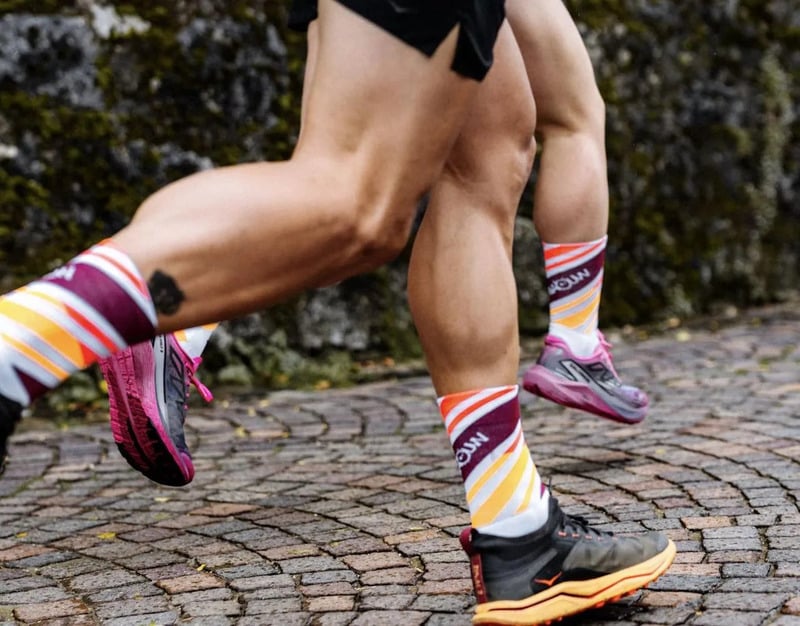
What should you eat before a 10K? Should you take an energy gel during the race? And what should you prioritize after crossing the finish line?Nutrition for a 10K should, above all, ensure you have enough energy to finish, run in optimal conditions, and support recovery. Check out our tips for adjusting your diet and hydration before, during, and after your race.
Preparing your nutrition for a 10km race doesn’t require drastically changing your routine. The main goal is to arrive at the starting line with sufficient energy reserves , good hydration, and a comfortable digestive system.
, maintain a balanced diet and focus on the carbohydrate sources you’re used to eating: rice, pasta, potatoes, semolina, bread, or cereal. There’s no need to do a major “carb load” for a 10K, especially if the race lasts less than an hour.
Above all, avoid last-minute changes to your diet. An unusual food or a particularly large meal can cause digestive problems on race day.
Dinner should be simple, easy to digest, and something you’re used to eating. For example, you can combine a source of carbohydrates—such as pasta, rice, or couscous—with a serving of protein and vegetables that agree with you. Avoid meals that are very fatty or particularly high in fiber if you have a sensitive digestive system.
If your race is in the morning, eat breakfast early enough to give yourself time to digest. Opt for foods that are high in carbohydrates and easy to digest: bread, cereal, applesauce, a banana, or other foods you’re used to eating before your workouts.
You may want to have a light snack about an hour before departure if you feel the need. Apple sauce, a banana, or a small piece of bread with honey are good options, provided you’ve already tried this approach during training.
To learn more about nutrition and hydration for runners, check out our guide Getting Started with Running: A Complete Guide.
For a 10K run in less than about an hour, it’s generally not necessary to plan for specific nutrition during the race. The energy reserves built up before the start are usually sufficient to meet the demands of an effort of this duration.
The situation may be different for runners who take longer to complete their 10K, especially when the run lasts more than an hour. In this case, carbohydrate intake may be considered based on each individual’s habits and tolerance.
Therefore, an energy gel isn’t always necessary for a 10km race. If you do want to use one, test it beforehand during your training sessions to check your digestive tolerance and determine the best time to consume it.
The most important thing is not to try out a new nutrition strategy on race day.
Your water needs depend mainly on the duration of the run, the temperature, and how much you sweat. In cool weather and for a relatively fast 10K, some runners can finish without drinking. However, when conditions are hot or the run is longer, it’s important to stay hydrated.
Drink as needed, without trying to consume an excessive amount of water. In very hot weather, it’s especially important to stay properly hydrated before, during, and after the race.
To choose the right gear for outings where you need to carry your own water, check out our tips for choosing a hydration vest or backpack.
And if your 10K race takes place in hot weather, be sure to check out our tips for running in hot weather.
After a 10km race, nutrition plays a crucial role in muscle recovery and replenishing energy reserves. There’s no need for a complicated diet: a balanced meal combining carbohydrates, protein, fruit or vegetables, and hydration provides a good foundation.
If you don’t have immediate access to a full meal, a snack can be a good option. For example, you can combine a source of carbohydrates with a source of protein: fruit and yogurt, compote and a dairy product, or bread and cottage cheese.
In the hours that follow, make sure to eat a complete meal to gradually replenish your energy stores and provide the nutrients needed for recovery.
Hydration doesn’t stop at the finish line. Drink regularly after the race to replenish fluids lost during exercise, especially if you sweated a lot or if the weather was hot.
To learn more about nutrition for longer runs, check out our article Trail Running Nutrition: What to Eat Before, During, and After the Race?. The principles outlined there are particularly helpful for understanding how to adjust your intake as the duration of your effort increases.
Key takeaway: For a 10K race, the most important thing is to stick to your usual, easily digestible diet before the race, avoid overcomplicating your nutrition strategy during the race, and prioritize a well-balanced meal and proper hydration after crossing the finish line. The best strategy is the one you’ve tested during your training.
For a 10K run completed in under an hour or so, it’s generally not necessary to plan for energy intake during the race. If the race is longer, you may want to consider consuming carbohydrates depending on your needs and training habits.
An energy gel isn’t essential before a 10K. If you’re used to using one, try it out during training to make sure your stomach can handle it before incorporating it into your race strategy.
Drink regularly in the hours leading up to the race, without trying to drink excessively right before the race. Your fluid needs vary depending on factors such as temperature, the duration of the race, and how much you sweat.
Running on an empty stomach may be suitable for some runners who are accustomed to this practice. However, for a 10K run at high intensity or with a performance goal in mind, it’s best to have sufficient energy reserves before the start.
After the race, opt for a balanced meal that combines carbohydrates and protein, along with fruits or vegetables, and make sure to stay well-hydrated. A snack may be helpful if your meal isn’t scheduled until several hours after you finish.








Or
Or
Your data is processed and collected by Lepape, which acts as the data controller, in accordance with the French Data Protection Act and the RGPD. For more information on the processing of your personal data, you can consult our Privacy policy.