New
CODE:


Amateur, beginner or professional athlete, a running watch is essential for your training sessions and running events. On the road or on the trails, in triathlons or on the trail, it provides invaluable information about your abilities and helps you find your way.
A connected watch can be very useful when you’re training for a road race or just jogging. Whether you’re a beginner or an expert, a cardio watch is essential, as it allows you to monitor your heart and regulate your effort in complete safety. Many, like the
Pacer
from Polar, allow you to calculate your MHR (maximum heart rate). A watch like this teaches you to know your limits. It also measures your energy expenditure and encourages stress-free split training. Fractional training is essential to progress, but also to improve your physical condition and your time. With a good running watch, you can make progress by analyzing your performance, stride lengths, session times, routes and recovery times.
Garmin is certainly one of the brands offering the most models of GPS cardio watches for running. The ranges
Forerunner
and ranges
Fenix
product ranges have been around for many years. Polar is another safe bet, with models such as the Polar Pacer, ideal for beginners, or the
Polar Vantage
which is more suited to competition. Suunto, for its part, develops hard-wearing watches that can be used in all outdoor sports, as well as in swimming and cycling.
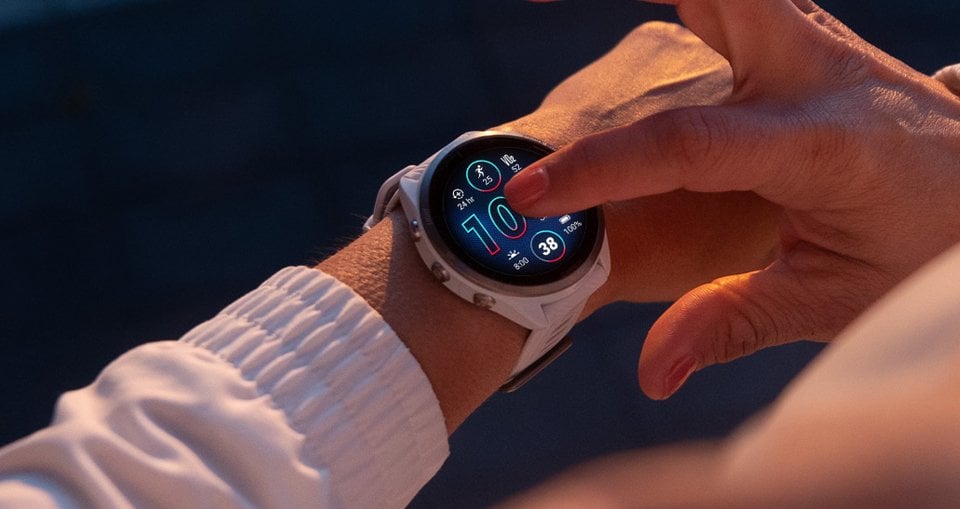
A running watch must be equipped with a heart rate monitor. There are two solutions for the heart rate sensor: either it is placed on a cardio belt, or it is integrated into the watch itself. It monitors and analyzes your heart rate. Some higher-end models include an oximeter. This is a handy tool for mountain runners, for example.
Some watches feature abarometric altimeter. On the road, this accessory is not essential. It is, however, highly advantageous if your watch is to accompany you on a trail or hike. It lets you know exactly what altitude you’re at.
It’s still possible to connect your running watch to your computer by cable, but some models now offer Bluetooth or WiFi connectivity.
Almost all running watches now feature GPS. It offers guaranteed geolocation. If you’re looking for a high level of precision in your tracking, it may be a good idea to opt for a model that can be connected to different satellites, especially if you’re running in remote areas. The cartography is an added bonus, with very precise layouts.
A one-hour training session does not require the same autonomy as an ultra-trail. If you want to compete in longer events, where GPS use is essential, it’s best to opt for models with an energy-saving mode, such as Garmin’s Ultratrac.
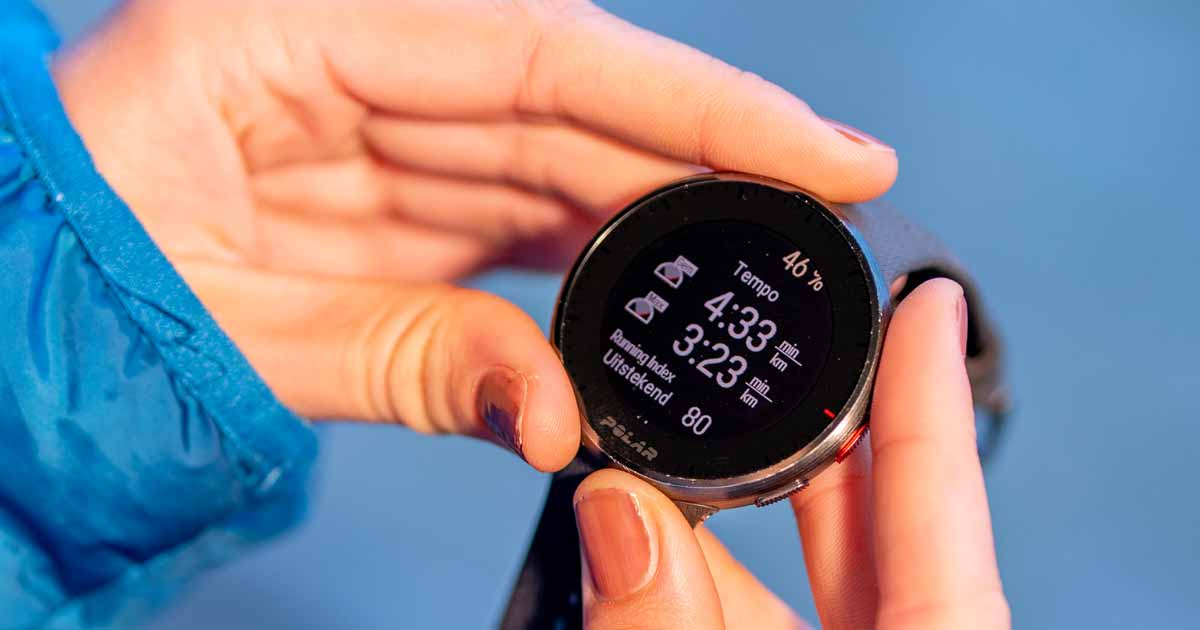
The answer to this question is yes. There are many details to consider, if you want to be sure of choosing the watch that’s right for you.
The housings of GPS cardio watches can be made of plastic. They are very light, but lack strength, especially if you’re racing in the mountains. Other models are available in reinforced polymer or titanium. They are better suited to extreme conditions, but are more expensive.
The size of connected running watches can vary, but most are quite large. To choose the one that will accompany you through all your sessions, it’s best to try it on, to check that you feel comfortable when you wear it. If you have a slim wrist, you should know that Garmin’s Fenix series, like others, is available in size S models.
The bracelet is important. Some models dedicated to women, such as the
Lily
by Garmin, make sure it’s slim and more reminiscent of a piece of jewelry.
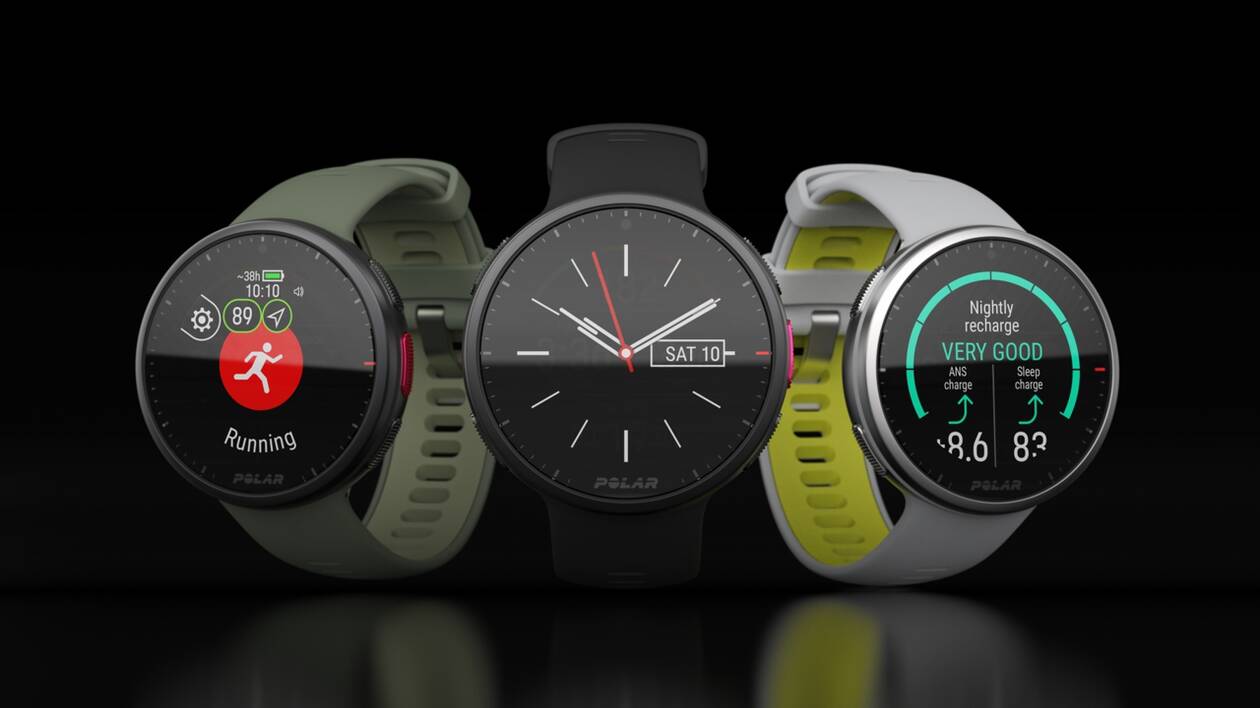
The Polar brand is one of the oldest in the running segment. With models like the Polar Pacer Pro or the
Polar Grit X Pro
you can be sure of investing in models that will be with you for a long time. The
Pacer Pro
is ideal if you want to improve your running skills. With its built-in barometer, it’s perfect for the hardcore runner who wants to perform. The Polar
Grit X Pro
is waterproof and resistant to extreme weather conditions, making it ideal for ultra-trailers. The Polar Vantage is a complete multisport watch. Equipped with a slim, lightweight wristband, it provides you with a range of interesting data when you want to improve your performance and set a time in a race.
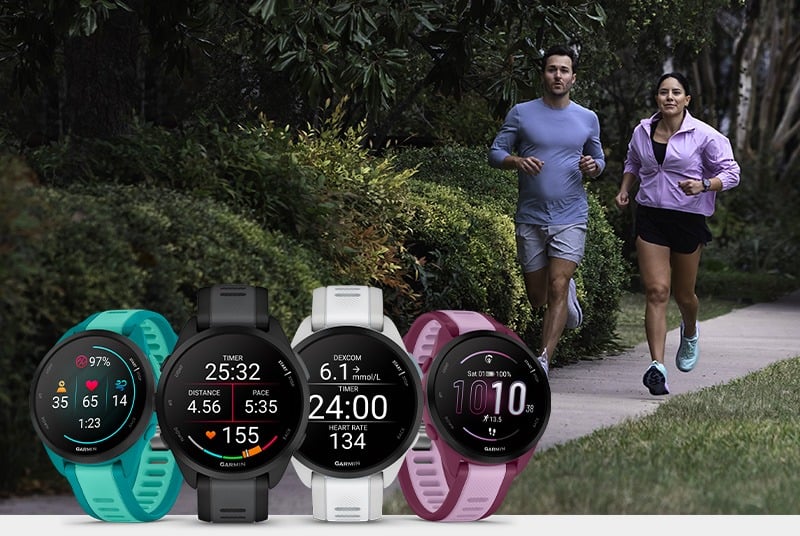
Garmin is one of the leaders in the outdoor sports market. Reliable autonomy, solar power, robust materials – the brand is renowned for its innovations and high quality. Two of the brand’s ranges are particularly interesting for running:
Forerunner
and
Fenix
. The Garmin
Forerunner 945
and the Garmin
Forerunner 745
are timepieces to be worn as a test for experts.
The Fenix range is designed to help you push your limits. Visit
Fenix Solar
in particular, adds solar power to its range, allowing you to extend battery life even further on your hikes or mountain runs.








Or
Or
Your data is processed and collected by Lepape, which acts as the data controller, in accordance with the French Data Protection Act and the RGPD. For more information on the processing of your personal data, you can consult our Privacy policy.