New
CODE:


Une pratique hybride.
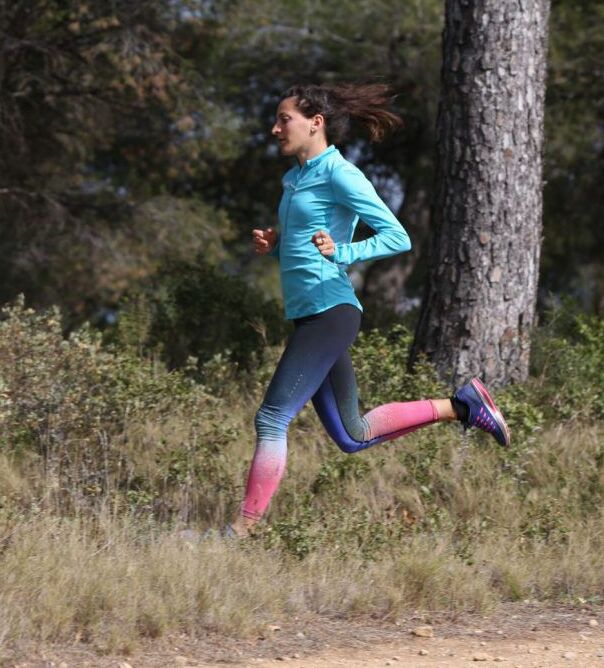
Gravel running is the new way to run in the great outdoors. Halfway between the road and the trail, it combines freedom, simplicity and pleasure. Leave the asphalt behind. You avoid overly technical trails. We run on rolling, stable and pleasant trails. The stride remains fluid. The body absorbs impact better. And above all, you can breathe away from traffic. This accessible sport appeals to beginners and experienced runners alike. In fact, it’s also suitable for trailers looking for endurance and gravel cyclists looking for variety. Equipment remains minimalist: all-purpose shoes, a technical technical t-shirttechnical soft flask. Then it’s off to explore. Forest paths, greenways, canalsides: there’s plenty of terrain close to home. In short, gravel running puts discovery at the heart of running. It offers a human rhythm, a feeling of fluidity and a real connection to the landscape. There’s no need for steep inclines. No need for a stopwatch. Just the desire to move forward, simply and steadily. Ready to give it a try? Follow the guide and set off on your first rolling itineraries, with complete confidence.
Less monotonous than the road. Less technical than trail riding. So more accessible.
Mixed surfaces. Natural cushioning. Preserved joints.
Little equipment. Few constraints. Easy departure from home.
Quiet. Fresh air. Varied itineraries without crowds.
Choose wide, stable paths. Start close to home.
30-45 min to start. Then increase the duration. Vary the surfaces.
Tired of asphalt? Try rolling, gentler, greener outings.
Work on endurance on easy terrain. Recover without breaking mechanics.
Vary the pleasures on foot. Explore your usual loops in a different way.
Step up a gear. Discover a simple, progressive and motivating practice.

| Criteria | Gravel running | Trail | Road |
|---|---|---|---|
| Terrain | Stabilized paths, tracks, gravel | Technical paths, roots, rocks | Asphalt, sidewalks, urban trails |
| Vertical rise | Low to moderate | Often high | Low |
| Technical | Accessible, rolling | Demanding, irregular | Regular, rhythmic |
| Material | Lightweight, versatile shoes | Specific, protection and grip | Minimal, performance-oriented |
| Objective | Endurance, discovery, pleasure | Adventure, technicality, altitude difference | Speed, precision, timing |
| Accessibility | High | Variable | Very high |
In short, gravel running combines the best of both worlds: nature, fluidity and simplicity.
Gravel running is a hybrid discipline between road running and trail running. You run on rolling trails, such as forest tracks, farm tracks or greenways.
A pair of all-purpose shoes with a medium tread, a technical T-shirt, comfortable shorts or leggings and possibly a soft flask. No need for special equipment as in technical trail running.
Choose wide, stable paths: greenways, forest tracks, canal banks or farm tracks. Technical trails should be avoided at the outset.
Yes, it’s an accessible discipline. The terrain is often flat or slightly hilly, and the pace can be adapted to your level.
Less impact on joints, immersion in nature, gentle, accessible exercise, endurance development and the pleasure of running on a variety of surfaces.








Or
Or
Your data is processed and collected by Lepape, which acts as the data controller, in accordance with the French Data Protection Act and the RGPD. For more information on the processing of your personal data, you can consult our Privacy policy.