New
CODE:

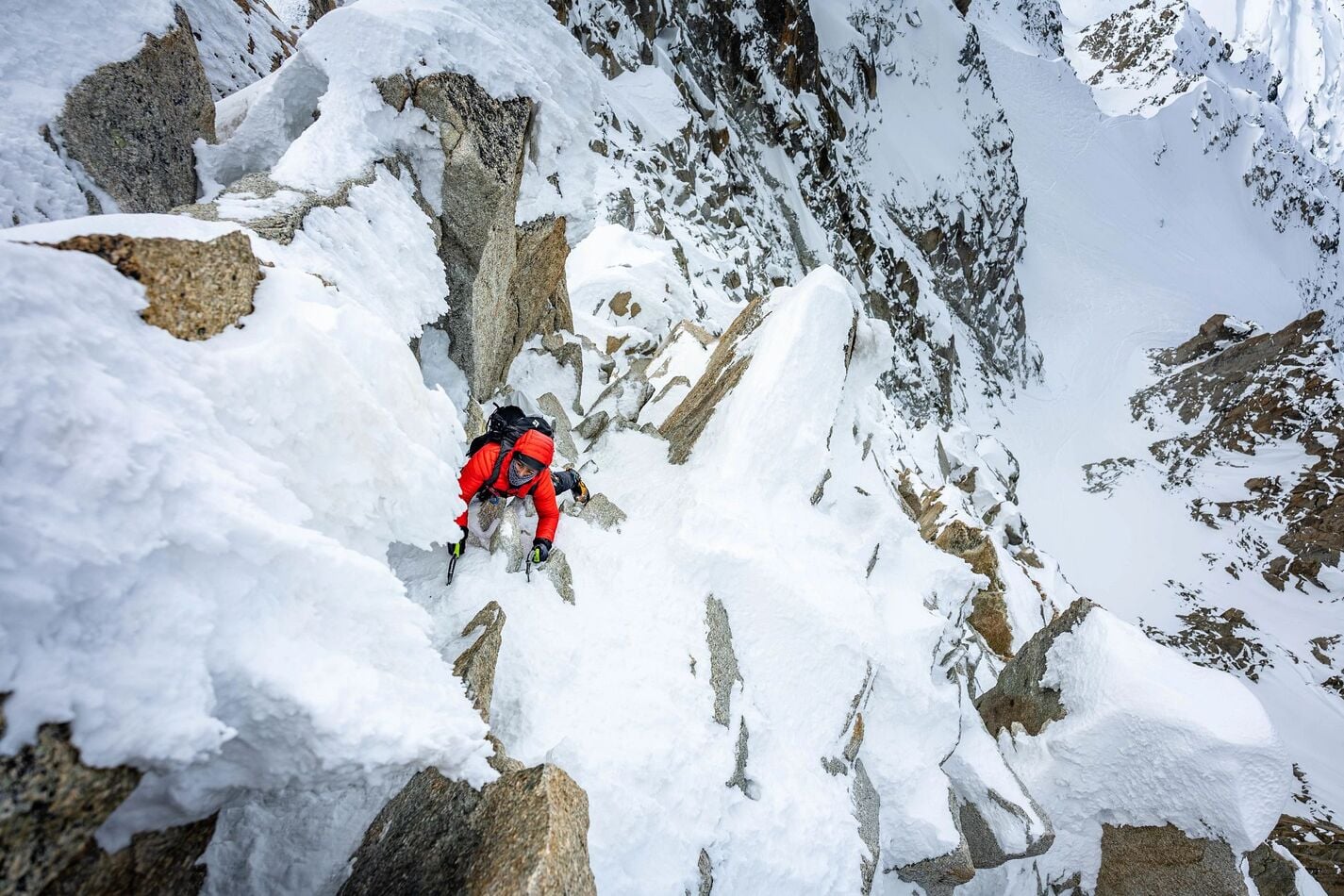
“The mountains, with their infinite and fascinating relief, present themselves as a boundless playground. However, it also remains an unpredictable environment where non-negligible risks can arise. That’s why it’s essential to choose the right ice axe for the safest possible mountain exploration.”
An ice axe is essential for safe climbing in the mountains and on icy slopes. The ice axe is an important piece of mountaineering equipment and can perform a variety of functions. It can be used as a cane for progression, as an anchor for crevasse rescue, to help braking a fall, or to carve steps. How to choose the right ice axe? Lepape guides you.
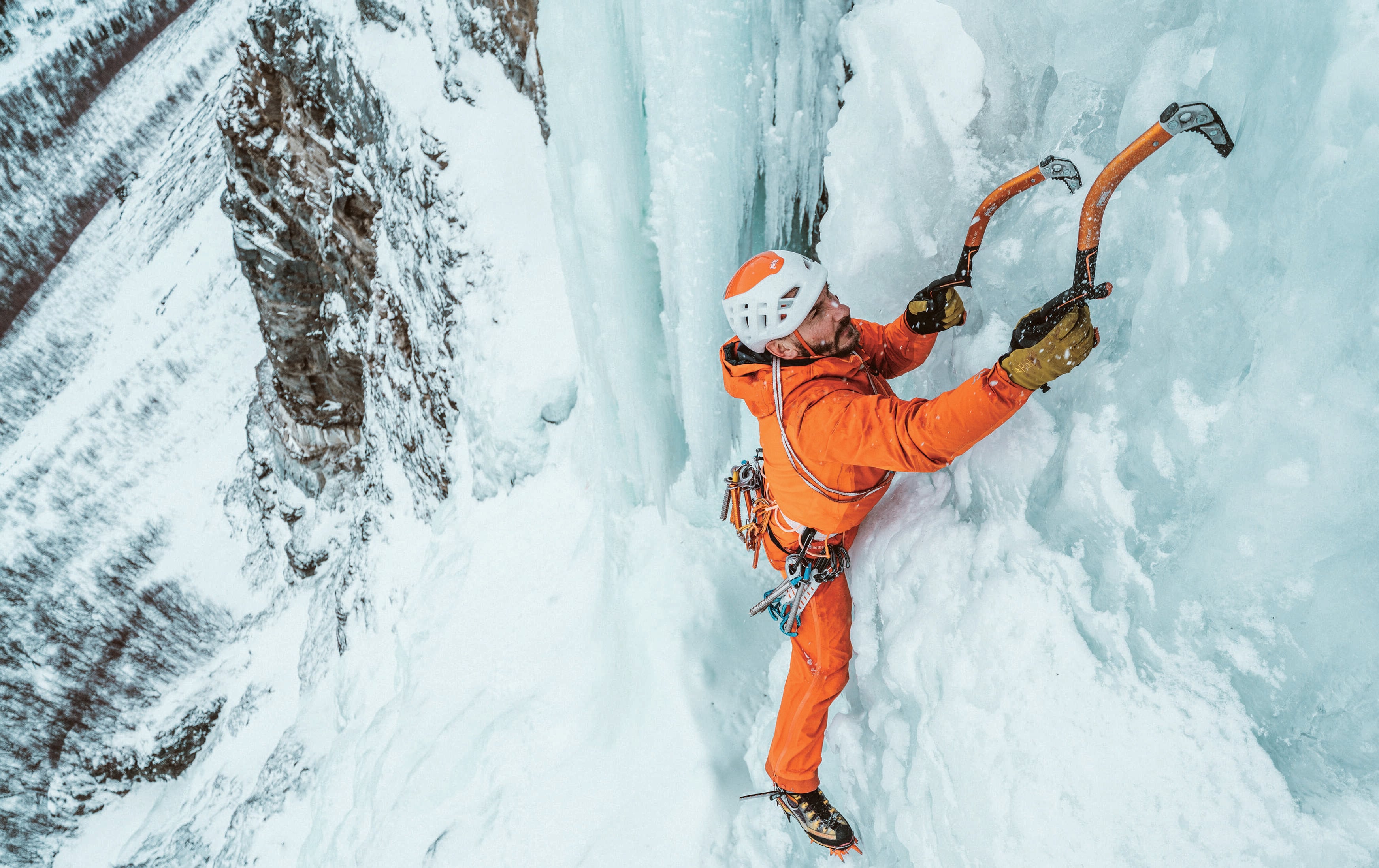
An ice axe is a versatile tool used for safety, progression and belaying, whether for hiking, ice climbing, mountaineering or other mountain-related activities.
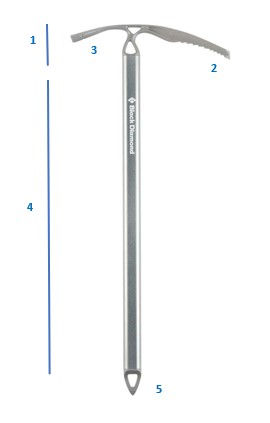
1. The pick head: composed of a blade and a purlin (or hammer).
2. The blade: located at the front of the pick head
3. The mallet or hammer: located at the back of the ice axe head, the mallet is mainly used for digging in the snow to make steps. The hammer is used to drive pitons into the rock.
4. The handle: its size varies according to the activity practised
5. The spade: the point at the end of the handle. Some ice axes do not have one
The shape, weight, length and type of blades you use will depend on your needs.
Lightweight, fairly long ice axes are preferred for this type of climbing, offering a very comfortable grip and good anchoring qualities.
Ice axe with straight or almost straight handle, rather long (60 to 70cm) in aluminium, as it is used as a walking stick most of the time. The pick size is determined as follows: arm straight, tip at ankle height.
A steel head that’s comfortable to hold and rounded blade teeth to prevent injuries
The ice axe of choice is a versatile, high-performance model for use in a wide range of alpine terrain. It should be curved and of medium length (55 to 60cm), sturdy for use in snow, ice or on rock, and fitted with sharpened teeth.
Storing an ice axe on a backpack is essential to ensure your safety, avoid injury and preserve the life of your equipment. Here’s how to safely and conveniently store an ice axe on a backpack:
The ice axe is manufactured to strict standards and is either technical (Type 2 / T-marked) or basic (Type 1 or B-marked).
These ice axes offer the highest resistance to the tests required by the standard. They are mainly used for technical mountaineering, ice climbing and dry tooling.
These ice axes are less resistant to standards testing than type 2 ice axes. They are generally used for skiing, glacier walking and classic mountaineering.








Or
Or
Your data is processed and collected by Lepape, which acts as the data controller, in accordance with the French Data Protection Act and the RGPD. For more information on the processing of your personal data, you can consult our Privacy policy.