New
CODE:

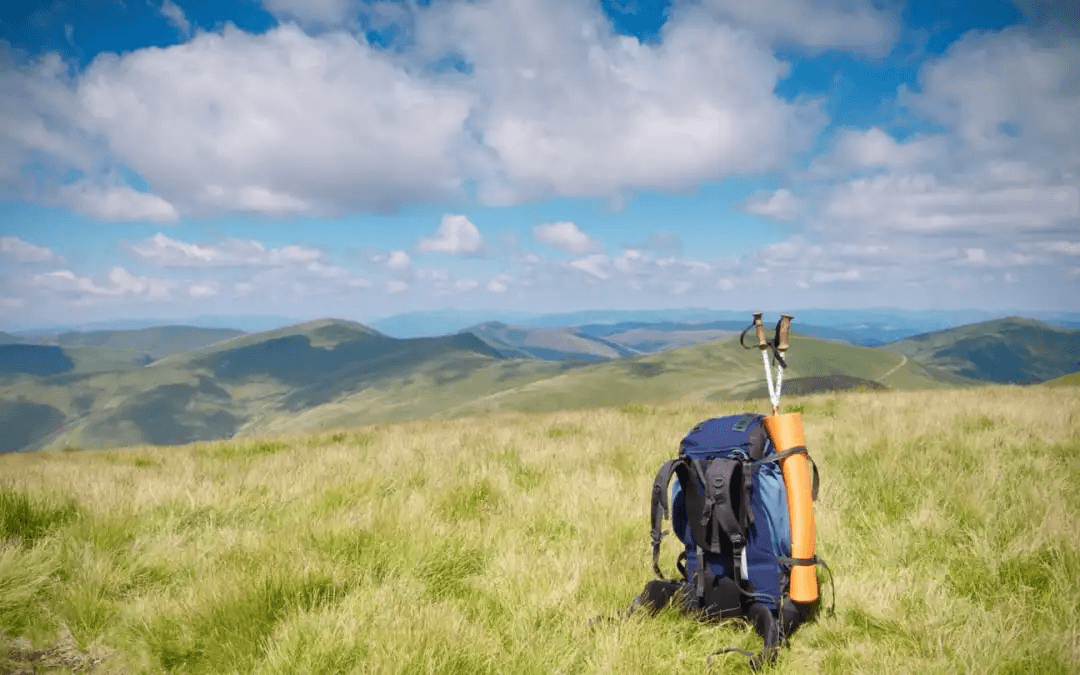
Do you go hiking every day and wonder which backpack to choose? You’re right, a suitable bag is essential, especially if you’re going on an excursion. The essential criteria for a bag are volume, weight and comfort. However, they will differ depending on the nature of your walk! Family outings, short, medium or long hikes, trekking, mountaineering or technical hiking: a backpack for every walk!
Other essential points to consider when choosing a backpack are the wearer’s morphology and physical condition!
We’ll show you how to make the right choice and get the most out of your outdoor adventures!
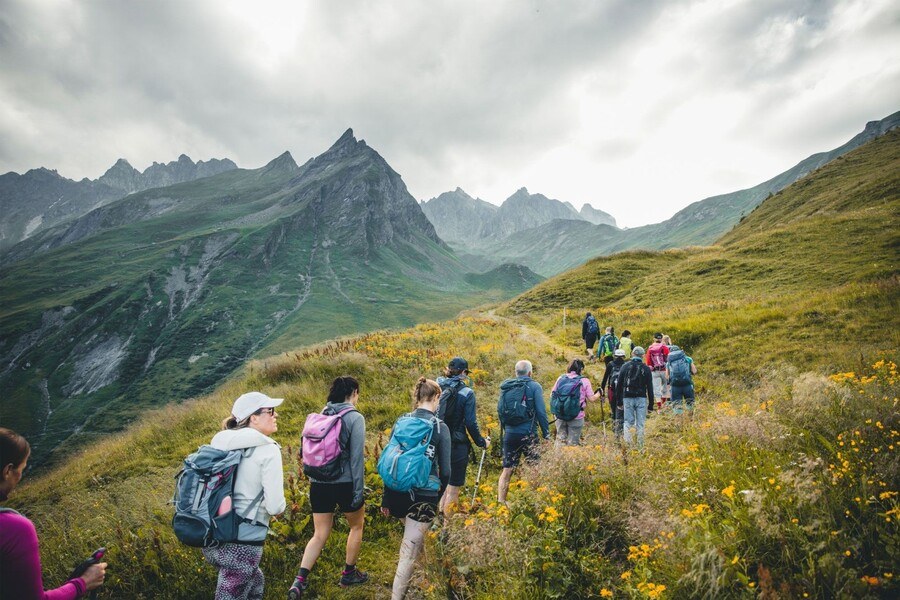
These hiking backpacks are ideal for occasional use on the plains, in the forest and on the coast, as well as for urban and everyday activities. They are generally designed to carry a laptop, a book, your lunch and your toiletries. Their main asset is their versatility, making them ideal for all your daily travel needs.
See all our models
A backpack with a capacity of 25 to 39 liters is ideal for this type of outing. Designed for hiking, it easily holds a water bottle or small water pouch, as well as a change of clothes. This format allows you to carry the essentials with minimal weight, while still having easy access to your belongings. Its main assets are its comfort and practicality, perfect for outdoor excursions.
See all our models
A backpack designed for mountain travel offers superior carrying comfort, essential for longer, more demanding journeys than a lowland hike. Storage capacities vary considerably to meet different needs.
For fast hikers, an ultra-light, snug-fitting bag is a must. The aim is to cover as much distance as possible in as little time as possible, so all equipment should be as light as possible. Don’t exceed 30 liters of volume, otherwise you’ll slow down and turn the experience into a classic hike.
Its main assets are its lightness and carrying comfort.
See all our models
A travel backpack is a piece of equipment specifically designed to facilitate the transport of personal belongings during short or long trips. Unlike conventional backpacks, travel backpacks are generally more spacious, offering enough room to store clothes, toiletries, electronics and other travel necessities. They often feature multiple compartments and pockets for easy organization, as well as ergonomic features such as padded straps and ventilated back panels to ensure optimum comfort during long periods of carrying. These backpacks are designed to be practical, durable and versatile, suitable for a variety of destinations and adventures, whether in the city, countryside or abroad.
For a day hike in the mountains, it’s essential to have a suitable backpack to carry your essentials. Choose a bag with a capacity of 25 to 40 literswith enough room for water, food, a windproof or waterproof jacket and a fleece to protect you from temperature changes. These bags offer a good compromise between lightness and strength, while being functional and streamlined in design. If you’re hiking with the family, choose a larger size to carry the children’s extra gear. If you’re adding an overnight bivouac to your trip, you can opt for a bag larger than 55-liter to provide space for all the extra gear you need.
If you’re passionate about multi-day, self-sufficient mountain adventures, you’ll need a suitable backpack to carry everything you need. Choose a bag with a capacity ofat least 50 liters to carry your tent, water, food and all the necessary equipment. Large bags offer an ergonomic fit for your body shape:
Lepape tip: when buying a backpack, try it loaded in the store. storethen test it with all your equipment. This way, you’ll avoid any inconvenience during your long hikes in the mountains.
There are so many models to choose from, don’t hesitate to visit our website!
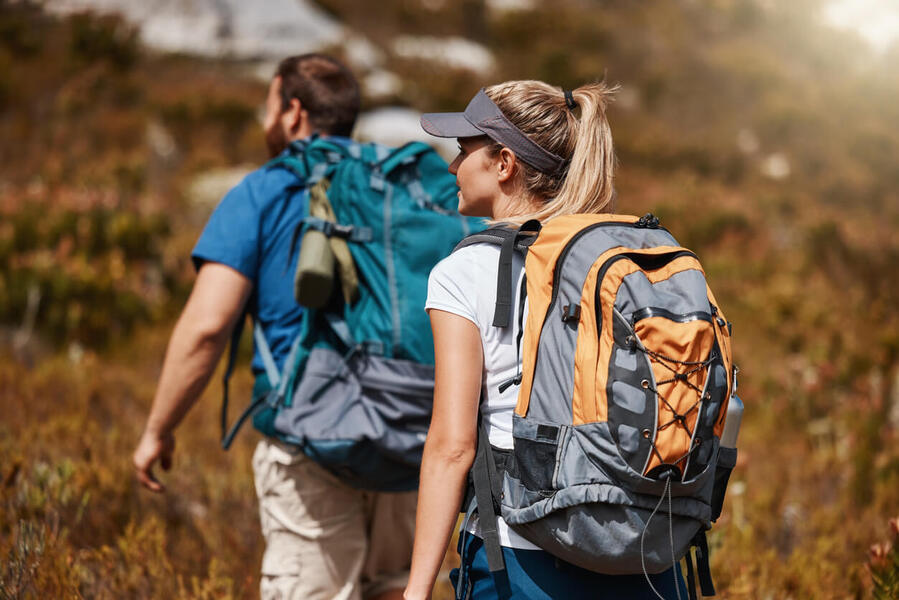
The model of backpack you choose must be adapted to your needs and practices (the 2 being linked, of course!).
At Lepape, we classify backpacks into different categories depending on how you will be using them:
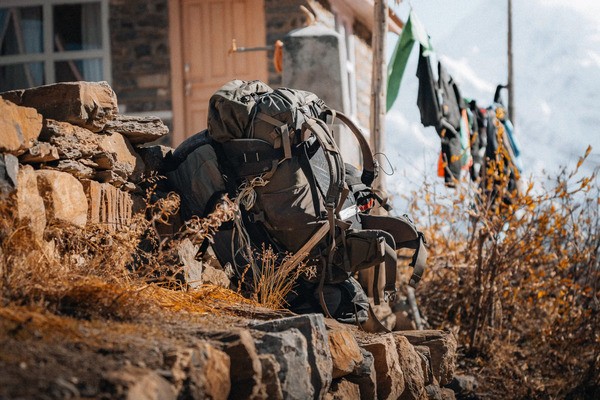
Choosing the right hiking bag for your body shape is crucial to ensuring optimum comfort and preventing pain or injury. When choosing a backpack, morphology is :
Gender + Size + Fitness
Women’s hiking backpacks are generally designed with shorter back and shoulder straps and a wider waist belt, to fit women’s hips perfectly. What’s more, the scalloped shape of the straps prevents pressure on the chest.
For children, the back length is shorter than that of adult packs, but some models offer a progressive adjustment to adapt to the growth of young hikers.
See all our children’s backpacks
For toddlers who can’t walk for long, baby carrier backpacks are ideal for taking them on outings.
Whether you’re tall or short, it’s crucial to take your size and physical condition into account. The length of the back of your hiking bag should be chosen according to your height, which will determine the shape and size of the bag. It’s important that the bag is proportioned to your body for ease of use.
Use your common sense to adapt these tips to each individual case! If a woman is over 1.75 m tall, for example, a backpack designed for men will be more appropriate than one for women, and vice versa.
Your weight and physical condition determine the load you can carry over long distances. In general, for an adult man or woman, the total weight of the bag should not exceed 15% of the wearer’s body weight. For children and juniors, the bag’s load must remain below 10% of the user’s weight. However, there are exceptions: if you’re small in stature but a regular, well-trained athlete, you can carry a bag weighing up to 20% of your body weight.
Indispensables pour partager vos aventures avec les plus petits
Découvrez tous nos modèlesTo complete your equipment, read our article Which hiking boots to choose?








Or
Or
Your data is processed and collected by Lepape, which acts as the data controller, in accordance with the French Data Protection Act and the RGPD. For more information on the processing of your personal data, you can consult our Privacy policy.