New
CODE:

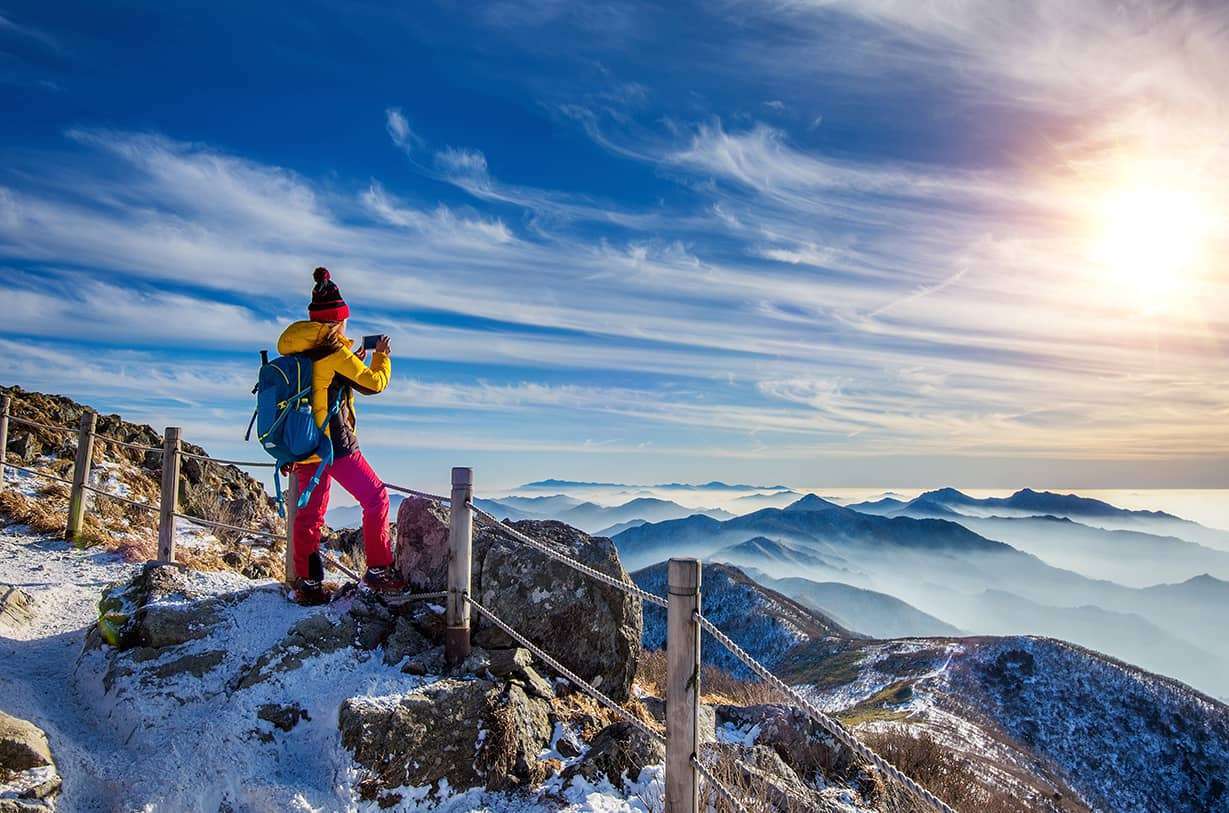
Hiking in cold weather is often a challenge and requires appropriate clothing. Clothing must not only keep you warm, but also provide lasting comfort throughout your adventure. Effective thermal insulation is essential to protect your body from the elements and ensure a safe and enjoyable hiking experience. Lepape offers you a guide to getting dressed.
The basic principle to adopt is to dress in layers, with three distinct layers.
The first layer, the one in direct contact with the skin, must be breathable, keeping the body dry and minimizing sweat retention. The materials of choice are T-shirts made from synthetic fibers, such as ultra-light polyester, which are compressible and quick-drying. Merino wool first layers are also highly recommended. Wool can absorb up to 33% of its weight in water, reducing the contact of perspiration with the skin. What’s more, wool is naturally anti-odour and retains its warmth even when damp.
In the second layer (middle layer), thermal insulation plays a crucial role, its effectiveness depending more on the density of the fabric than on its thickness. Opt for a fleece jacket or a down jacket in synthetic, compressible material. This layer must be “swellable”, i.e. able to trap air between its fibers to reinforce its insulating power.
For optimum protection against the elements, the third layer should be a waterproof, windproof jacket. This final layer plays a crucial role in blocking water and wind and preserving the heat accumulated by the previous layers.
Choose a jacket with ventilation zips under the arms or in other strategic places. These zips facilitate thermal regulation by evacuating excess heat and moisture as your physical activity intensifies. The jacket must be breathable to prevent condensation on the inside, while providing a solid barrier against the elements. Additional features such as an adjustable hood, adjustable cuffs and waistband can also enhance your comfort and protection.
Découvrez tous nos modèles pour une première couche efficace
A découvrir sur Lepape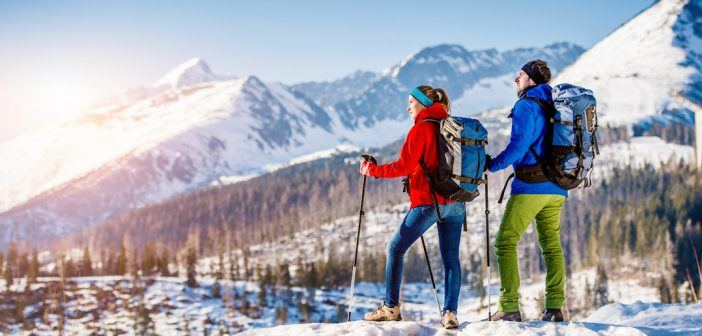
There’s no need to wear thick winter pants, because when you’re walking, your muscles are working and generating heat. A waterproof pants pants combined with a thermal undergarment made of synthetic material or merino wool.
When hiking in cold weather, it’s crucial to protect the most exposed parts of your body: your head, neck, hands and feet. These areas are particularly vulnerable to the elements and can quickly become cold, compromising your comfort and safety. It’s essential to choose the right equipment to guarantee effective thermal insulation and optimum protection. Here are a few tips for dressing up your extremities.








Or
Or
Your data is processed and collected by Lepape, which acts as the data controller, in accordance with the French Data Protection Act and the RGPD. For more information on the processing of your personal data, you can consult our Privacy policy.