New
CODE:


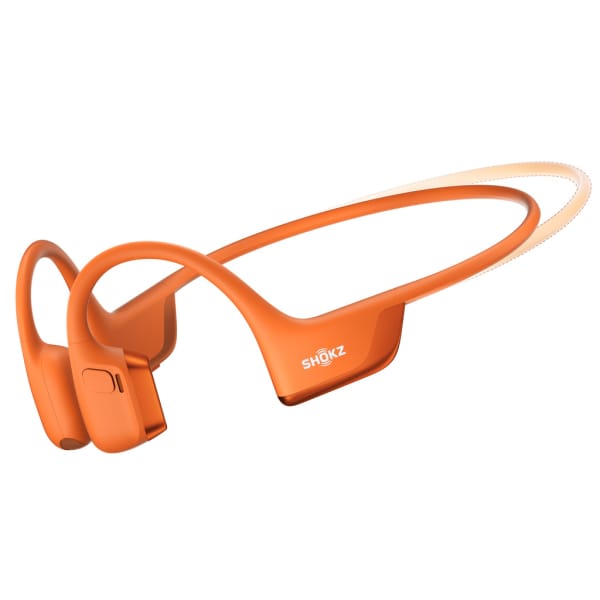
Bone conduction headphones are winning over more and more users, especially sports enthusiasts. Unlike conventional headphones, they do not block the ear canal. Sound is diffused through the bones of the skull, leaving the ears completely free. This innovative technology combines safety, comfort and versatility.
Originally, bone conduction was used in the medical field. It enabled people with hearing problems to perceive sound differently. Today, it is used in a wide variety of environments. Runners, hikers, swimmers, workers in noisy environments: they all benefit from its advantages.
Why all the hype? Because these helmets meet several essential needs. They offer long-lasting comfort, enhanced safety outdoors, and remain accessible even to hearing-impaired people. They let you listen to music, podcasts or make calls, while remaining attentive to what’s going on around you.
But what exactly are bone conduction headphones? How do they work? What are its advantages and limitations? Let’s find out the essentials to better understand this technology.
Bone conduction transmits sound directly to the bones of the skull. Vibrations reach the inner ear without passing through the eardrum. The ears remain open and free.
Initially used for hearing aids, this technology has now found its way into sports and other environments where outdoor listening is essential.

Transducers rest on the temples or cheekbones. They create vibrations that are transmitted directly to the inner ear.
No obstruction, no pressure on the eardrums. You stay connected to your environment while listening.
They allow you tolisten safely while keeping an eye on traffic.
They offer long-lasting comfort, ideal for long hours outdoors.
Some waterproof models, like the Shokz OpenSwim, broadcast sound even underwater. An asset for swimming training.
| Advantages | Disadvantages |
|---|---|
| Open ears: greater safety, as you remain attentive to your surroundings. | Less bass: lower sound quality than traditional headphones. |
| Long-lasting comfort: no pressure, no in-ear headphones. | Sensitive vibrations: some users experience discomfort at the temples. |
| Accessibility: usable by some hearing-impaired people. | Unsuitable for noisy environments: no sound insulation. |
Bone conduction headphones transmit sound by vibration through the bones of the skull, without passing through the eardrum. The ears remain free, allowing you to hear your surroundings while listening to audio.
Quality is satisfactory for sports and everyday use. However, bass is less present than on traditional headphones. The main objective remains safety and listening comfort.
Yes, people with middle ear problems can perceive sound through bone conduction, even if their eardrum is damaged.
Absolutely. Ideal for running, trail running or cycling, they help you stay aware of the environment. Some models, like the Shokz OpenSwim, even work underwater.
No. The law prohibits all sound-emitting devices on two-wheelers, including bone-conduction headphones.
Bone conduction headphones represent an innovative alternative to conventional earphones. Safe, comfortable and versatile, they meet the needs of athletes and hearing-impaired people alike. A solution to consider if you want to listen without isolating yourself.








Or
Or
Your data is processed and collected by Lepape, which acts as the data controller, in accordance with the French Data Protection Act and the RGPD. For more information on the processing of your personal data, you can consult our Privacy policy.