New
CODE:

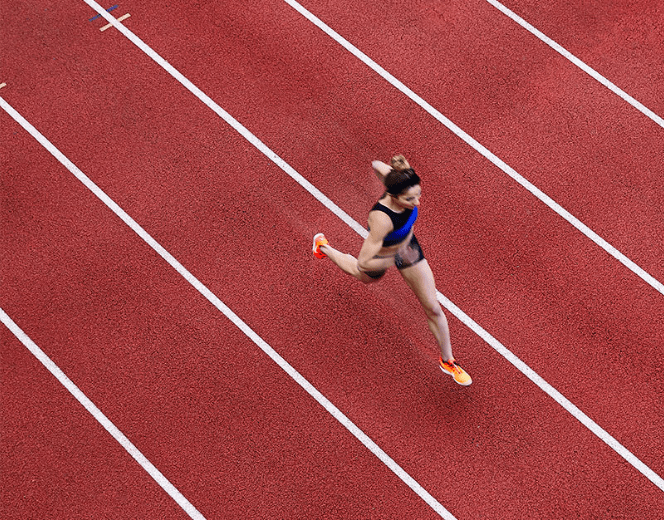
If you’re passionate about running, the notion of Maximum Aerobic Speed (MAS) is essential. It helps you structure your training and maximize your sporting performance. But how can you calculate your MVA reliably? In this article, we explain everything you need to know, from calculation methods to tips on how to improve it.
MVA, or Maximal Aerobic Speed, corresponds to the maximum speed you can maintain while consuming the quantity of oxygen required for your effort. In concrete terms, it’s the point at which your body reaches its maximum oxygen consumption (VO2 max). This data is essential for understanding your endurance potential and structuring your sessions effectively.
Knowing your VMA helps you adapt your training pace to your objectives. Whether you’re doing interval training, resistance training or preparing for a competition, this information will help you optimize your efforts without the risk of overtraining.
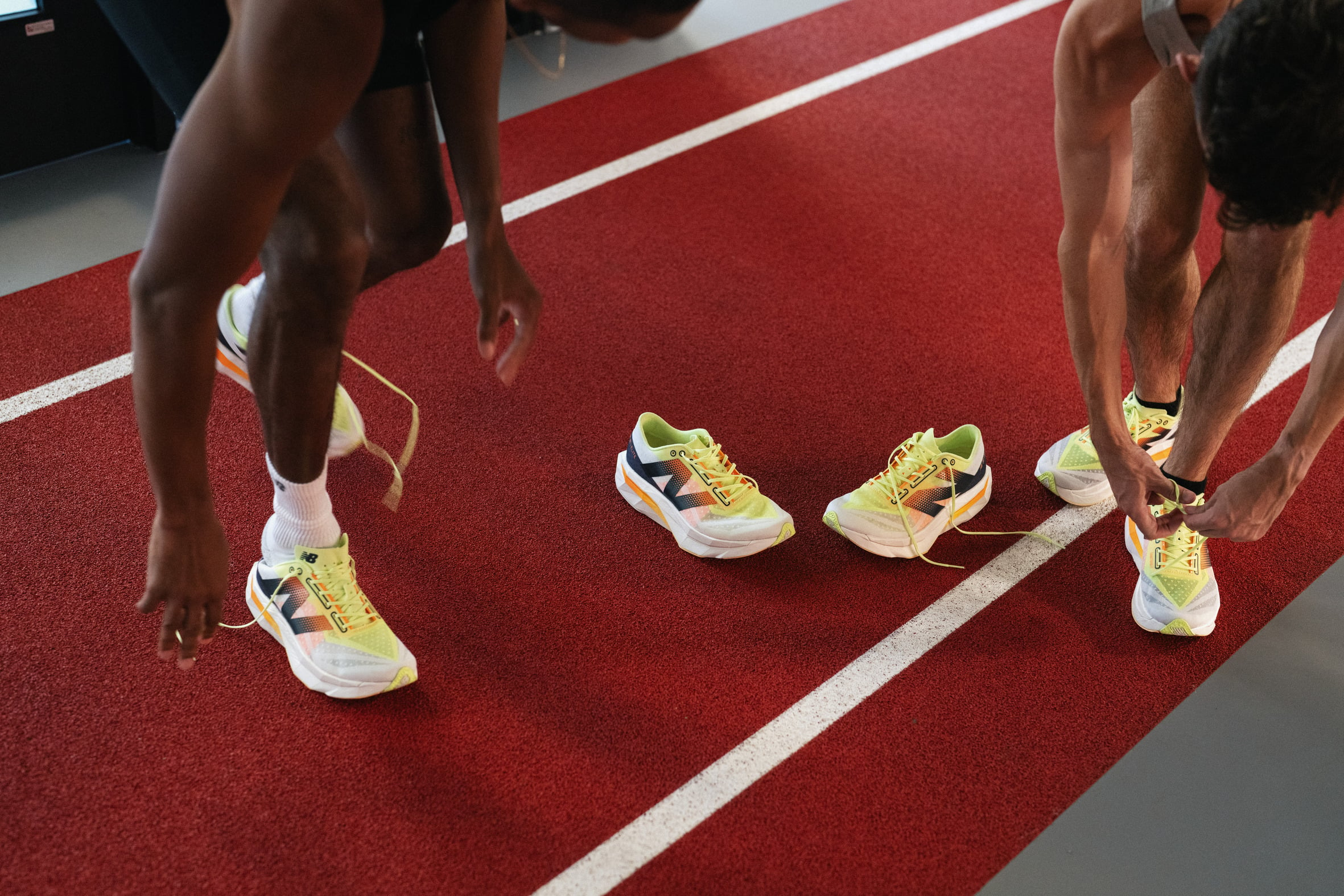
Field tests are one of the most accessible methods of assessing your VMA:
Half-Cooper test: Run for 6 minutes at your maximum speed. Your MVA is then your average speed over this period.
Léger-Boucher test: run at increasing speed until you’re exhausted. This test is particularly accurate for determining your VMA.
Laboratory tests, carried out on a treadmill, provide a precise measurement of VMA. They also provide additional data such as VO2 max and anaerobic threshold.
Some GPS watches and running apps offer VMA estimates based on your recent performance. Although practical, these tools are less reliable than specific tests.
Maximum speed refers to the top speed you can reach over a very short distance, for example in a sprint. VMA, on the other hand, is an average speed you can maintain for several minutes.
Although related, these two concepts have different applications. VMA is essential forendurance training and structuring your sessions. Maximum speed, on the other hand, is more specific to explosive efforts or short-duration sports.

By working on your VMA, you learn to better manage your running pace, whether you’re training or competing. It helps you find the right balance between effort and recovery.
Regular work on your VMA improves your ability to maintain a high pace over long distances. It’s a key skill for progress in running.
VMA is also an excellent way of tracking your progress over time. An increase in this value is often the sign of effective, well-structured training.
Split sessions are ideal for developing your VMA.
For example:
– Run for 30 seconds at 100% of your VMA, then recover for 30 seconds. Repeat this exercise 10 times.
– Alternate sets of 6 minutes at 90% of your VMA with 2 minutes of active recovery.
Stronger muscles allow you to optimize your stride and exploit your full potential. Exercises such as lunges, sheathing and squats strengthen your legs and core.
Although related, these two concepts have different applications. VMA is essential forendurance training and structuring your sessions. Maximum speed, on the other hand, is more specific to explosive efforts or short-duration sports.








Or
Or
Your data is processed and collected by Lepape, which acts as the data controller, in accordance with the French Data Protection Act and the RGPD. For more information on the processing of your personal data, you can consult our Privacy policy.