New
CODE:

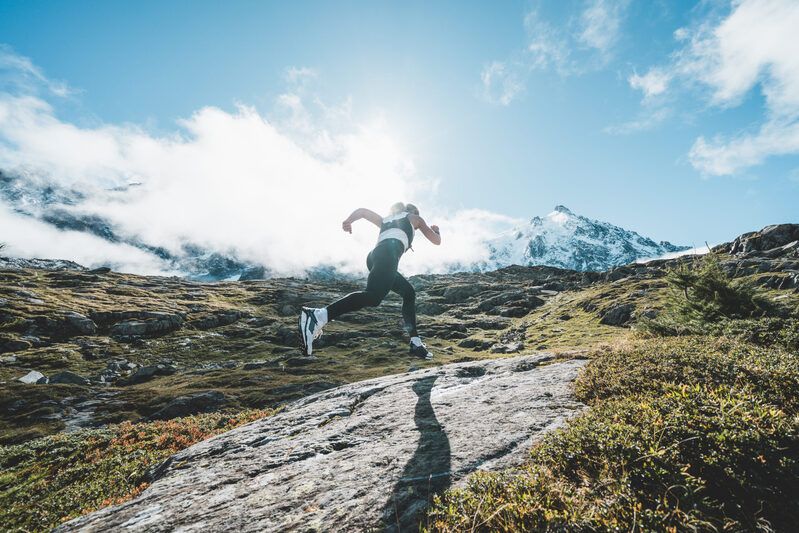
The
trail shoes
are an essential item for anyone practising this discipline in the great outdoors. Finding the right pair of shoes not only improves performance, but also protects the feet from various types of injury. The choice of shoes depends on many factors, such as distance covered, type of terrain, foot morphology and many other criteria. Lepape helps you make the right choice.
Choosing the right
trail shoes
is essential for comfort, performance and safety. Each runner has specific needs according to stride, level and terrain. It’s essential to choose a model that’s adapted to your morphology and preferences, taking into account the technologies available.
Equipment, especially footwear, is central to comfort and performance. Cushioning, grip, stability and protection all influence the running experience. The right equipment for the job is essential for pleasure and safety.
Trail distance has a direct impact on your choice of shoes. Whether it’s a short trail, a long trail, an ultra-trail or a vertical kilometer, each type of race requires specific characteristics in terms of dynamism,cushioning, stability and protection. Read our tips for finding the ideal trail shoe.
Trail shoes for short distances: for distances up to 35 km, choose lightweight, responsive models. They offer a fluid, dynamic stride, ideal for novice runners or those looking for speed.
Depending on the type of terrain (dry, slippery, technical),grip andhold are crucial to ensure safety and avoid injury.
Best for short outings:
Trail shoes for long distances: For routes of 35 to 80 km, it’s crucial to conserve your physical resources and limit the repeated impact on your body. Well-adapted footwear will help preserve your energy and prevent muscle fatigue.
The aim is to maximize comfort over time, while guaranteeing stability and protection against uneven terrain.
Essential elements to focus on :
Trail shoes for ultra-distances: From 80 km up to 200 km or more, ultra-trailers make extreme demands. Comfort becomes an absolute priority, as does the ability to adapt to the different types of terrain encountered during long hours or even several days of running.
Your shoes must provide total versatility and constant support, to protect your body from the cumulative effects of distance and fatigue.
The most important criteria:
Before selecting your trail shoes, start by asking yourself: what type of terrain will you be covering? Each surface has its own requirements in terms ofgrip, stability and support. Here are our recommendations for choosing the perfect model for your preferred terrain.
Before choosing your trail shoes, there’s one essential question to ask: what type of terrain are you going to use? Each surface has its own requirements in terms of
On dry, less technical trails, the emphasis is on dynamism and lightness. There’s no need to choose a sole that’s too grippy and makes your stride unnecessarily heavy. A trail shoe with good responsiveness and appropriate cushioning will be perfect for covering the miles with fluidity.
On muddy and slippery terrain, the outsole plays a decisive role. To avoid falls and maintain maximum stability, it’s essential to opt for a model with a high-performance grip. These shoes can be identified by their prominent, often deeper studs, made from materials specific to each brand. For trail riding, inverted studs offer outstanding grip, whether climbing or descending.
Multi-purpose trail models are ideal for runners with a wide range of terrain. They offer a successful compromise between grip and dynamism, thanks to a midsole that’s neither too cramped nor too smooth, capable of adapting to changing surfaces and weather conditions. Their weight, between 250 and 300 grams, ensures a good balance between distance support and lightness for shorter outings.
Multi-purpose trail models are ideal for runners with a wide range of terrain. They offer a successful compromise between grip and dynamism, thanks to a midsole that’s neither too cramped nor too smooth, capable of adapting to changing surfaces and weather conditions. Their weight, between 250 and 300 grams, ensures a good balance between distance support and lightness for shorter outings.
Analyzing the technical features of trail shoes is essential to optimize your performance and ensure your comfort.
Grip is essential for trail shoes. Choose soles with studs adapted to your main running terrain. For example:
To avoid knocks against rocks or roots, look for models with integrated toe and heel reinforcements. Abrasion-resistant materials increase footwear durability.
Trails often include unstable sections requiring great stability. Technologies such as anti-twist systems and lateral supports help stabilize the foot on uneven terrain.
During prolonged exertion, breathable footwear helps keep feet dry and reduces the risk of blisters. Choose breathable, moisture-wicking materials.
Poorly fitting shoes can cause considerable discomfort and limit your performance. Here’s how to find your ideal size.
When fitting, always wear the socks you normally use for running. This gives you an accurate idea of the shoe’s actual fit.
There should be a space of about one centimeter between your toes and the toe of the shoe to allow for natural expansion of the foot during effort and descent of steep slopes.
Last but not least, it’s essential to listen to how you feel. Once you’ve checked all the technical criteria, rely on how you feel while wearing the shoe, walking and running for a few minutes if possible.
The feeling of comfort should be instantaneous as soon as you put them on. If there are pressure points or areas of discomfort right from the start, this could worsen during the race.
Although some shoes may require a short break-in period, they should never cause significant pain during initial use.
READ MORE IN OUR TIPS PAGES








Or
Or
Your data is processed and collected by Lepape, which acts as the data controller, in accordance with the French Data Protection Act and the RGPD. For more information on the processing of your personal data, you can consult our Privacy policy.