New
CODE:

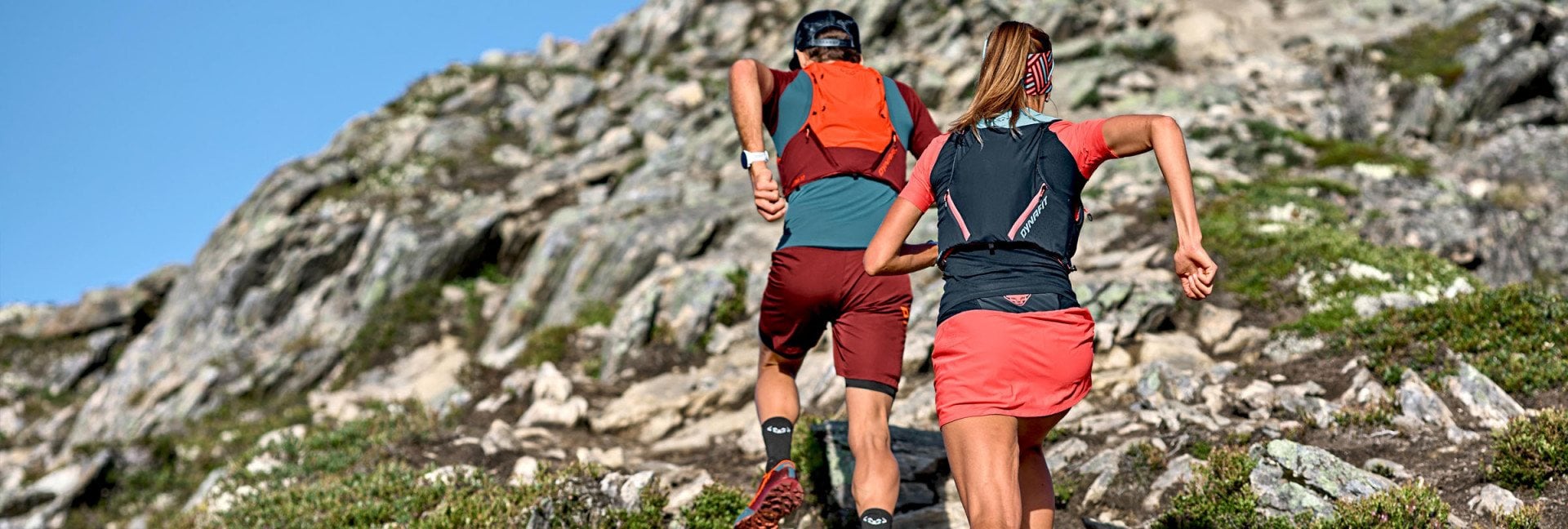
Selecting a trail running bag is a key step for any trail runner, whether beginner or experienced.
A good trail bag doesn’t just carry your gear; it must also provide excellent comfort, hydration capacity and be functional during your journeys. Lepape guides you in making the right choice.
There are several categories of trail bags, each adapted to specific needs and different race durations.
You’ll mainly find :
These bags are ideal for short distances or training sessions where you only need the bare essentials: a few energy bars, a cell phone and perhaps a small waterproof jacket.
Ideal for slightly longer runs or half-day outings, this type of bag allows you to carry more food, extra clothing and a larger water tank.
These models are designed for long-distance trails or ultras.
They offer enough space to carry not only clothing and hydration, but also essential equipment such as a survival blanket and first-aid kit.
There are several factors to consider when choosing your trail bag.
Here are the main criteria to consider:
It’s crucial to know how much gear you need to take with you.
Storage capacity varies according to the duration of your races and specific requirements (e.g.: an ultra-trail will require greater capacity).
The bag should hug your body without causing discomfort.
A good fit minimizes swaying during the race.
Here are a few aspects that influence comfort:
Access to water during your runs is essential.
Trail bags offer various hydration systems:
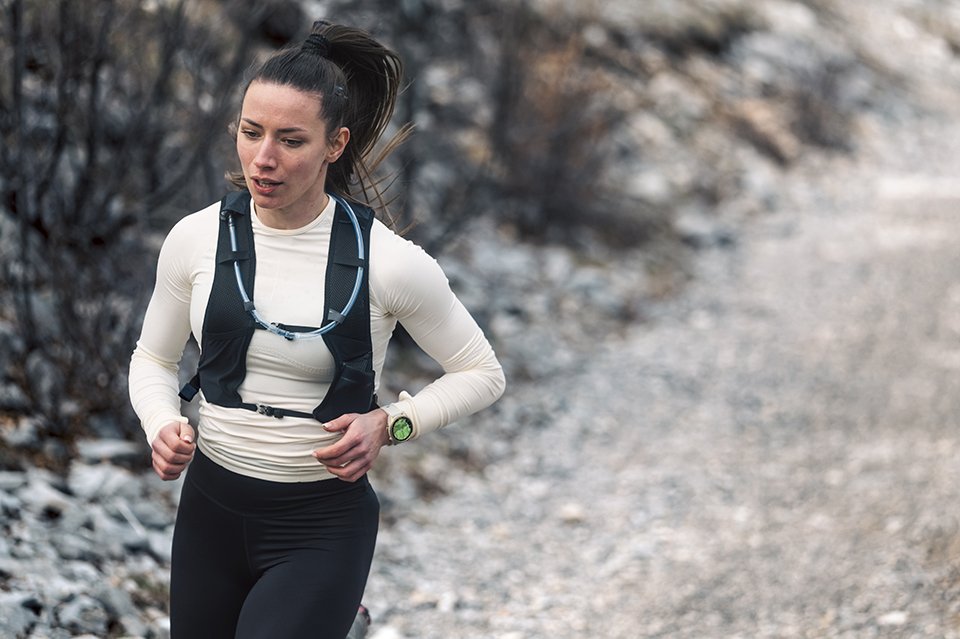
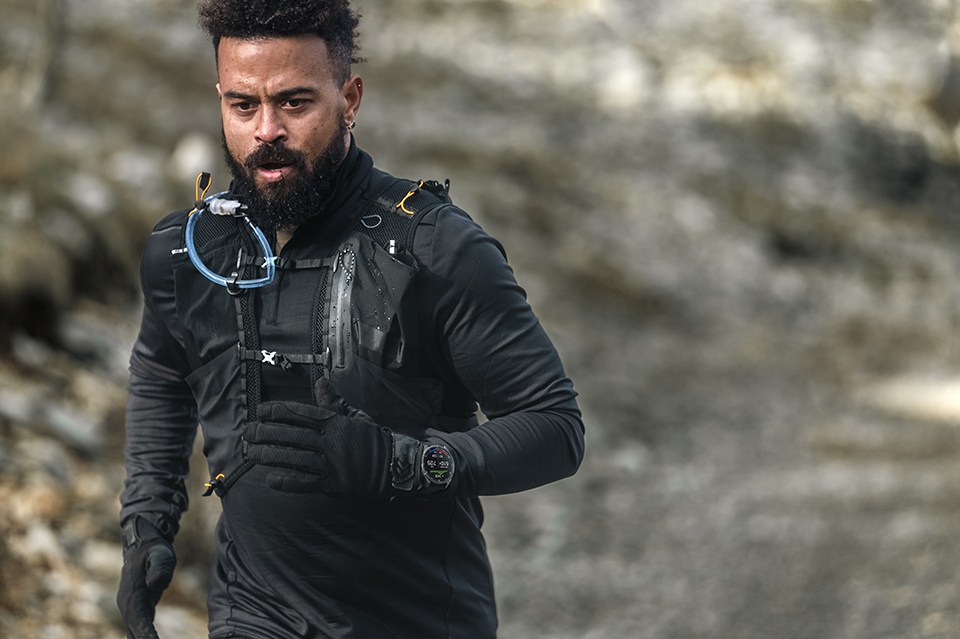
In addition to capacity and comfort, other features play a decisive role in your choice of trail bag:
A good trail bag has multiple pockets to organize your belongings efficiently.
From secure zipped pockets to side pockets for quick access, every detail counts.
For those who use trail poles, an indispensable feature is a compartment or special straps to secure the poles when not in use.
Durability and weather protection are crucial.
Choose a bag made from water- and tear-resistant materials.
For safe running in the early morning or after dark, make sure your bag has reflective strips or logos.
On the market, several brands stand out for the quality and innovation of their products.
Here are just a few that are renowned for their excellence:
Salomon is renowned for its ergonomic, high-performance trail bags, often used by professionals.
RaidLight offers a varied range designed to suit the needs of all trailers, from novices to experts.
With innovative, lightweight designs, Dynafit provides options that are particularly appreciated for their comfort and practicality.

Once you’ve chosen your bag, there are a few tips on how to use it to its full potential.
Here are a few tips to keep in mind:
Before each outing, prepare your bag by organizing the essentials in a logical way.
This includes proper weight distribution for comfort and efficiency.
Place heavy items close to the back and items you need to access frequently (such as water flasks) in the front pockets.
Test your bag in real-life situations to adjust straps and make sure it stays in place during the race.
Remember to regularly check the condition of your water tank and other essential components to ensure optimum performance.
To prolong the life of your trail bag, follow the manufacturer’s cleaning instructions.
Wash hydration packs regularly, dry them thoroughly after each use and store them in a dry place.
READ MORE IN OUR TIPS PAGES








Or
Or
Your data is processed and collected by Lepape, which acts as the data controller, in accordance with the French Data Protection Act and the RGPD. For more information on the processing of your personal data, you can consult our Privacy policy.