New
CODE:

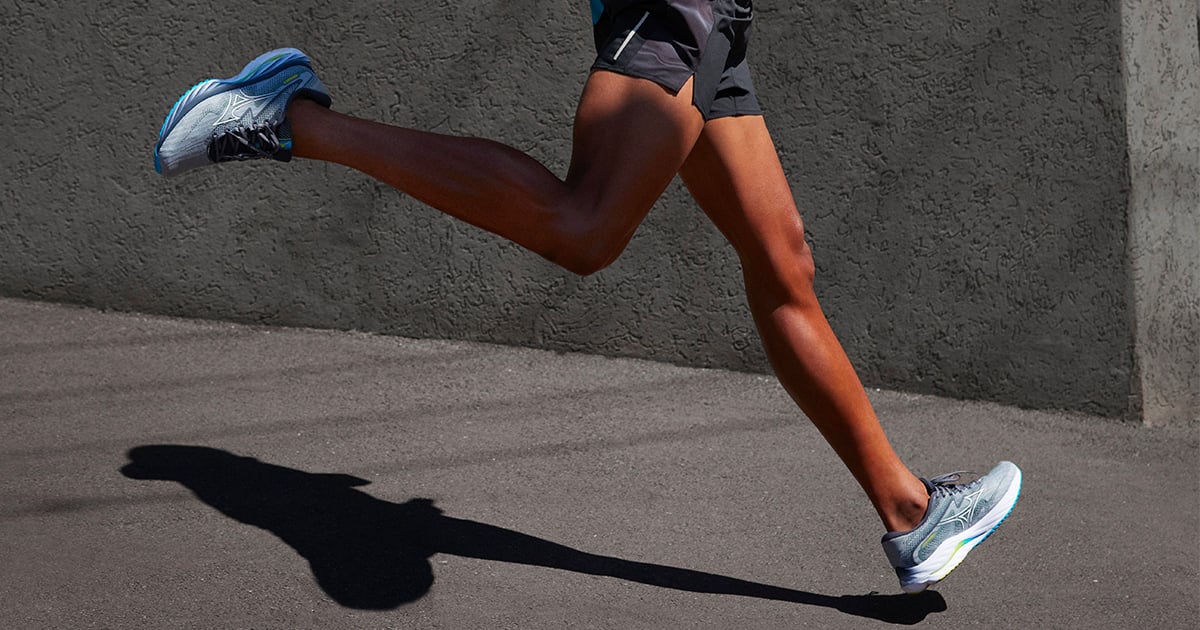
The drop of a running shoe is an essential criterion for choosing the right pair for you. Too often neglected, it influences your stride, your sensations and even your risk of injury.
The drop is the difference in height between the heel and the forefoot of the shoe. Expressed in millimeters, it generally varies between 0 mm and 12 mm. The higher the drop, the greater the support for the heel. Conversely, a low drop brings the stride closer to barefoot.
The choice of drop depends on several factors:
A drop between 8 and 12 mm is recommended for greater comfort and a gradual transition.
Not necessarily. It can improve the stride, but puts more strain on the calves and Achilles tendons. The transition must be gradual.
Yes, often weaker(4 to 8 mm) for greater stability and more direct contact with the ground.
No. A gradual adaptation is necessary to avoid pain and injury.
Most road models are between 8 and 10 mm.
Key points: the drop influences your stride, feel and performance. The right choice improves comfort and reduces the risk of injury.








Or
Or
Your data is processed and collected by Lepape, which acts as the data controller, in accordance with the French Data Protection Act and the RGPD. For more information on the processing of your personal data, you can consult our Privacy policy.